Last updated: 23 June 2026
Key Highlights
- The tokenization of assets has grown significantly, with over $2.3 billion in tokenized real estate assets as of 2022, according to a report by Security Token Market.
- In 2020, the European Union introduced the EU’s Digital Finance Strategy, which included a regulatory framework for the tokenization of assets, aiming to increase adoption by 2025.
- A study by PwC found that the global tokenization market is expected to reach $4.8 trillion by 2027, with a compound annual growth rate of 23.1%, driven by the increasing demand for digital assets.
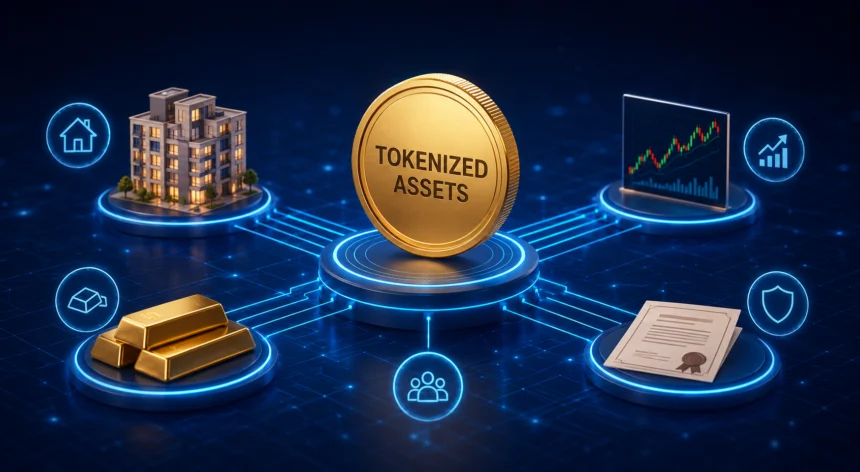
The concept of what is tokenization of assets has been gaining traction in recent years, as it enables the representation of traditional assets, such as real estate, commodities, and equities, on a blockchain network. This process allows for increased liquidity, reduced transaction costs, and improved accessibility for investors. As the tokenization of assets continues to evolve, it is essential to understand the technical process, legal frameworks, and institutional implications of this emerging trend.
Technical Process of Tokenization
The tokenization process typically involves the creation of a digital token that represents a portion of the underlying asset. This is achieved through the use of smart contracts, which are self executing contracts with the terms of the agreement written directly into lines of code. The token is then stored on a blockchain network, such as Ethereum or Polkadot, which provides a secure and transparent record of ownership.
The technical process of tokenization also involves the use of oracles, which are third party services that provide real world data to the blockchain network. This data is used to verify the ownership and value of the underlying asset, ensuring that the digital token accurately represents the asset’s value.
Legal Frameworks for Tokenization
The legal frameworks for tokenization are still evolving, but regulatory bodies have started to provide guidance on the issue. In the United States, the Securities and Exchange Commission (SEC) has issued guidelines on the tokenization of assets, stating that digital tokens that represent an ownership interest in an asset may be considered securities.
In the European Union, the EU’s Digital Finance Strategy provides a regulatory framework for the tokenization of assets, aiming to increase adoption by 2025. The strategy includes measures such as the creation of a pan EU regulatory framework for crypto assets and the development of a comprehensive EU strategy on distributed ledger technology.
Tokenization of Real Estate
The tokenization of real estate assets has been one of the most significant applications of this technology. By representing real estate assets on a blockchain network, investors can purchase a portion of a property, rather than the entire asset. This increases liquidity and reduces the barriers to entry for investors.
For example, the real estate investment platform, RealT, has tokenized over $100 million in real estate assets, providing investors with the opportunity to purchase a portion of a property for as little as $1,000. This has opened up new investment opportunities for individuals who may not have been able to afford to invest in real estate otherwise.
Tokenization of Commodities and Equities
The tokenization of commodities and equities is also gaining traction, as it provides investors with increased accessibility and liquidity. For example, the commodity trading platform, Dex, has tokenized gold and other precious metals, allowing investors to purchase a portion of these assets on a blockchain network.
The tokenization of equities is also becoming more common, with companies such as Overstock issuing digital tokens that represent ownership in the company. This provides investors with the opportunity to purchase a portion of the company, rather than the entire asset.
Institutional Implications of Tokenization
The institutional implications of tokenization are profound, as it has the potential to disrupt traditional asset classes and provide new investment opportunities for investors. However, it also raises concerns about the regulatory frameworks and the potential risks associated with this emerging trend.
For example, the tokenization of assets may increase the risk of market volatility, as investors may be more likely to purchase and sell digital tokens quickly. This could lead to a lack of stability in the market, which may have negative consequences for investors.
Challenges and Opportunities of Tokenization
Despite the potential benefits of tokenization, there are also challenges and risks associated with this emerging trend. For example, the regulatory frameworks for tokenization are still evolving, and there is a lack of standardization in the industry. This may make it difficult for investors to navigate the market and understand the risks associated with tokenization.
However, the opportunities presented by tokenization are significant, as it has the potential to increase liquidity, reduce transaction costs, and provide new investment opportunities for investors. As the industry continues to evolve, it is essential to understand the technical process, legal frameworks, and institutional implications of tokenization.
The Future of Tokenization
As the tokenization of assets continues to evolve, it is essential to understand the potential future developments in this emerging trend. For example, the use of artificial intelligence and machine learning may become more prevalent in the tokenization process, as it may help to improve the efficiency and accuracy of the process.
Additionally, the development of new blockchain networks and protocols may provide new opportunities for the tokenization of assets. For example, the use of decentralized finance (DeFi) protocols may provide investors with the opportunity to lend and borrow digital tokens, which may increase the liquidity and accessibility of the market.
The TCB View
TCB believes that the tokenization of assets is a bullish trend, with the potential to disrupt traditional asset classes and provide new investment opportunities for investors. We see the regulatory frameworks for tokenization as a significant risk, as they may impact the adoption and growth of this emerging trend. However, our read is that the benefits of tokenization, including increased liquidity and reduced transaction costs, will outweigh the risks. Watch for the development of new blockchain networks and protocols, as they may provide new opportunities for the tokenization of assets, with a trigger of $5 billion in tokenized assets by 2025.