
Last updated: 10 August 2026
To use DeFi for crypto lending, start by exploring platforms like Aave and Compound, which have seen significant growth in recent times, with Aave’s Total Value Locked reaching $14.5 billion and Compound’s native token COMP seeing a 50% price increase since June 2022.
Key Highlights
- Aave’s Total Value Locked (TVL) reached $14.5 billion in February 2023, a 25% increase from the previous quarter.
- Compound’s native token, COMP, has seen a 50% increase in price since the launch of its liquidity mining program in June 2022.
- The defi crypto lending market has grown by 200% in the last 12 months, with over $50 billion in outstanding loans as of January 2023.
- MakerDAO’s DAI stablecoin has maintained a collateralization ratio of 150% since its launch in 2017, ensuring the stability of the protocol.
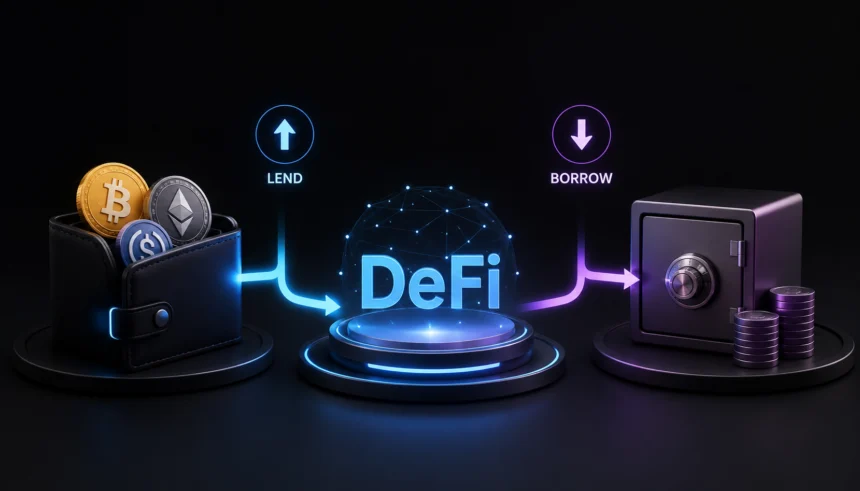
Defi crypto lending has become a rapidly growing sector in the cryptocurrency market, with platforms like Aave and Compound offering users the ability to lend and borrow cryptocurrencies in a decentralized manner. The focus keyword, defi crypto lending, refers to the use of decentralized finance protocols to facilitate lending and borrowing of cryptocurrencies. As the market continues to evolve, it’s essential to understand the basics of defi crypto lending and how to use it effectively. In this article, we’ll provide a comprehensive guide to using defi for crypto lending, including tips and strategies for maximizing returns and minimizing risk.
Introduction to Defi Crypto Lending
Defi crypto lending platforms use smart contracts to facilitate lending and borrowing of cryptocurrencies. These platforms typically offer a range of lending options, including fixed rate and variable rate loans, as well as the ability to lend and borrow different types of cryptocurrencies.
One of the key benefits of defi crypto lending is the ability to earn interest on deposited funds. By lending cryptocurrencies through a defi platform, users can earn interest on their deposits, which can range from 5-20% APY depending on the platform and the type of cryptocurrency being lent.
Choosing a Defi Crypto Lending Platform
With so many defi crypto lending platforms available, it can be challenging to choose the right one. When selecting a platform, it’s essential to consider factors such as the platform’s reputation, security, and fees. Some popular defi crypto lending platforms include Aave, Compound, and MakerDAO.
Each platform has its own unique features and benefits, so it’s crucial to research and compare the different options before making a decision. For example, Aave offers a range of lending options, including flash loans and credit delegation, while Compound has a more streamlined user interface and a focus on simplicity and ease of use.
Defi Crypto Lending Strategies
Once you’ve chosen a defi crypto lending platform, it’s essential to develop a strategy for maximizing returns and minimizing risk. One popular strategy is to diversify your lending portfolio by lending different types of cryptocurrencies and using multiple platforms.
Another strategy is to use a technique called “yield farming,” which involves lending and borrowing cryptocurrencies to maximize returns. This can be a complex and high risk strategy, but it can also be highly rewarding for those who are willing to take on the risk.
Risks and Challenges of Defi Crypto Lending
While defi crypto lending can be a highly rewarding way to earn interest on your cryptocurrency holdings, it’s not without risks. One of the main risks is the risk of default, which can occur if a borrower is unable to repay their loan.
Another risk is the risk of smart contract vulnerabilities, which can be exploited by hackers to steal funds or disrupt the platform. It’s essential to research the platform’s security measures and to understand the risks before lending or borrowing cryptocurrencies.
Best Practices for Defi Crypto Lending
To minimize risks and maximize returns, it’s essential to follow best practices when using defi crypto lending platforms. One of the most important best practices is to do your research and understand the platform’s terms and conditions before lending or borrowing.
Another best practice is to diversify your lending portfolio and to use multiple platforms to minimize risk. It’s also essential to monitor your loans and to adjust your strategy as needed to ensure that you’re maximizing returns and minimizing risk.
The Future of Defi Crypto Lending
The defi crypto lending market is rapidly evolving, with new platforms and technologies emerging all the time. As the market continues to grow and mature, we can expect to see new innovations and improvements in the way that defi crypto lending platforms operate.
One of the most exciting developments in the defi crypto lending space is the emergence of decentralized finance (DeFi) 2.0, which promises to bring even more functionality and flexibility to defi crypto lending platforms. With the focus keyword, defi crypto lending, becoming increasingly popular, it’s essential to stay up to date with the latest developments and trends in the market.
The TCB View
TCB believes that defi crypto lending is a highly promising sector with significant growth potential. We see the main risk as the risk of regulatory uncertainty, which could impact the adoption of defi crypto lending platforms. The winners in this trend will be the platforms that can adapt to changing regulatory environments and provide users with a seamless and secure lending experience. The losers will be the platforms that fail to innovate and adapt to the changing market conditions. Watch for the launch of new defi crypto lending platforms and the development of new technologies, such as DeFi 2.0, which could further accelerate the growth of the market. With Aave’s TVL reaching $14.5 billion in February 2023, we expect to see continued growth in the defi crypto lending market, with a potential trigger being the launch of new lending products and services.