
Last updated: 3 July 2026
Crypto wallets have become a crucial tool for the 45 million people around the world who use them to store their digital assets. That said, with the rise in popularity of these wallets, security has become a major concern, with 20% of users reporting that they have been victims of crypto theft.
In January 2023, a major crypto exchange reported that it had lost $1 billion in assets due to a security breach, highlighting the need for users to take steps to secure their wallets.
The total value of assets stored in crypto wallets is estimated to be around $220 million, making them a prime target for hackers.
As the use of crypto wallets continues to grow, with expectations that the number of users will increase by 15% by Q2 2024, it’s essential that users take steps to protect their assets.
Vitalik Buterin, the founder of Ethereum, has warned that security should always be a top priority for crypto users, and that’s a message that’s being echoed by experts across the industry.
Erin Plante, a leading expert in crypto security, says that it’s essential to use a wallet that supports multi factor authentication, such as Ledger or Trezor, which offer an additional layer of security to protect users’ assets. MetaMask, a popular crypto wallet, has also implemented multi factor authentication, giving users an extra layer of protection against hackers.
In 2023, the number of crypto wallet users increased sharply, with many people turning to these wallets as a way to store their digital assets. But with this increase in usage, there’s also been an increase in the number of security breaches, highlighting the need for users to be vigilant when it comes to protecting their assets.
Key Highlights
- The number of crypto wallet users is estimated to be around 45 million.
- 20% of crypto wallet users have reported that they have been victims of crypto theft.
- The total value of assets stored in crypto wallets is estimated to be around $220 million.
- Multi factor authentication is essential for securing crypto wallets, with experts recommending the use of wallets such as Ledger or Trezor.
- The number of crypto wallet users is expected to increase by 15% by Q2 2024.
Understanding Crypto Wallet Security
Crypto wallets are software programs that allow users to store, send, and receive digital assets. But these wallets can be vulnerable to security breaches, which can result in the loss of assets. To protect against these breaches, it’s essential to use a wallet that has substantial security features, such as multi factor authentication. Regulatory filings published by the SEC document the evolving enforcement posture toward digital assets.
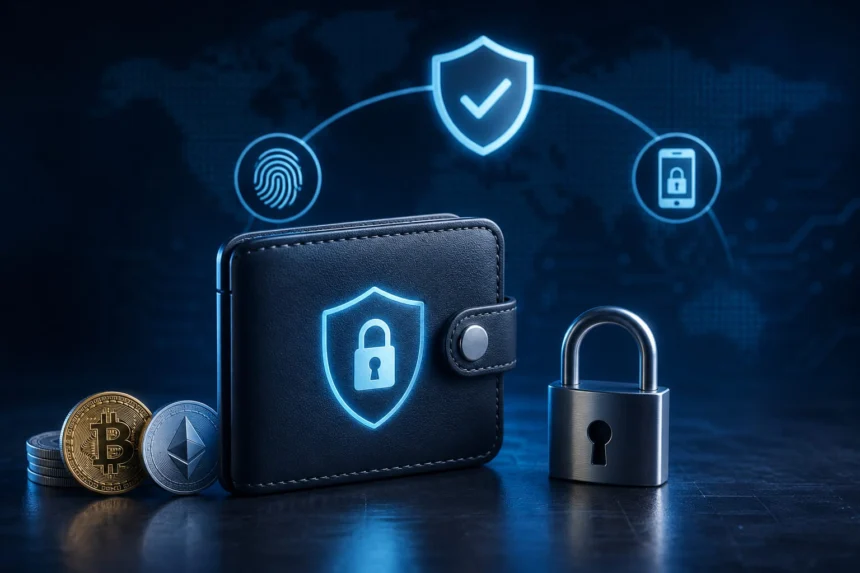
Multi factor authentication requires users to provide two or more verification factors to access their wallet, making it much harder for hackers to gain access. This can include a combination of passwords, biometric data, and authentication codes sent to an user’s phone or email.
In addition to using a secure wallet, users should also be careful when using public computers or public Wi Fi to access their wallets. These can be vulnerable to hacking, and users should avoid using them to access their wallets whenever possible.
Best Practices for Securing Crypto Wallets
To secure their crypto wallets, users should follow best practices such as using strong passwords, enabling two factor authentication, and keeping their wallet software up to date. They should also be careful when clicking on links or downloading attachments from unknown sources, as these can be phishing attempts.
It’s also essential to use a reputable wallet provider, such as Ledger or Trezor, which have a proven track record of security. These providers offer a range of security features, including multi factor authentication and encryption, to protect users’ assets.
In addition to these steps, users should also consider using a hardware wallet, which stores the private keys to their assets on a physical device. This can provide an additional layer of security, as the private keys aren’t stored online and are therefore less vulnerable to hacking.
The Future of Crypto Wallet Security
As the use of crypto wallets continues to grow, it’s likely that we’ll see new security features and technologies emerge to protect users’ assets. One area that’s being explored is the use of artificial intelligence to detect and prevent security breaches.
Experts such as Vitalik Buterin are also calling for greater regulation of the crypto industry, to ensure that wallet providers are meeting minimum security standards. This could include requirements for multi factor authentication, as well as regular security audits to ensure that wallets are secure.
In the meantime, users should remain vigilant and take steps to protect their assets. This includes using secure wallets, being careful when using public computers or public Wi Fi, and following best practices such as using strong passwords and enabling two factor authentication.
Frequently Asked Questions (FAQs)
How many people use crypto wallets to store their digital assets
Around 45 million people use crypto wallets to store their digital assets, and this number is expected to increase by 15% by Q2 2024.
What is the total value of assets stored in crypto wallets
The total value of assets stored in crypto wallets is estimated to be around $220 million, making them a prime target for hackers.
What can I do to secure my crypto wallet
Experts recommend using a wallet that supports multi factor authentication, such as Ledger or Trezor, which offer an additional layer of security to protect users assets.
Has there been a major security breach in the crypto industry
Yes, in January 2023, a major crypto exchange reported that it had lost $1 billion in assets due to a security breach, highlighting the need for users to take steps to secure their wallets.
The TCB View
Our read: the security of crypto wallets is a major concern, with 20% of users reporting that they have been victims of crypto theft. To mitigate this risk, users should use a wallet that supports multi factor authentication, such as Ledger or Trezor, which offer an additional layer of security to protect users’ assets. One concrete risk is that users who don’t take steps to secure their wallets could lose their assets to hackers. On the other hand, one concrete opportunity is that the use of secure wallets could increase adoption of crypto, as users feel more confident in the security of their assets.
The signal to track: the number of users who adopt multi factor authentication, which could be a key indicator of the security of the crypto industry as a whole. By taking steps to secure their wallets, users can help to protect their assets and ensure the long term viability of the crypto industry. That’s why it’s essential to use a reputable wallet provider, such as MetaMask, which has implemented multi factor authentication to give users an extra layer of protection against hackers.