Last updated: 21 July 2026
To effectively choose a hardware wallet, users must balance substantial security features against practical usability and broad token support, a key factor given platforms like Ledger Live manage over 5,000 distinct tokens. This critical decision directly impacts the safety of digital assets, from established cryptocurrencies like Bitcoin to emerging decentralized finance protocols.
Selecting the right device protects holdings from online threats and ensures long term self custody remains straightforward. Many options exist, each with specific strengths and considerations for different user needs, demanding a careful evaluation tailored to individual requirements.
Key Highlights
- The Ledger Live platform supports an extensive portfolio of more than 5,000 different digital assets, including popular altcoins and niche tokens.
- Bitcoin, a foundational cryptocurrency, receives full, native support through the Ledger Live application, simplifying management.
- Hardware wallets offer a crucial layer of offline security, isolating private keys from internet connected devices to prevent remote theft.
- Selecting a device involves evaluating factors like broad software integration, physical robustness, and a verifiable history of security audits.
- Proper operational security after purchase is as vital as the initial wallet selection process, preventing common user errors.
Understanding Core Security for Digital Assets
Digital asset ownership fundamentally hinges on controlling private keys. Without these cryptographic secrets, an individual doesn’t truly own their Bitcoin, Ethereum, or other tokens; they merely hold an IOU on an exchange or a third party platform.
Hardware wallets provide a physical, isolated environment for these keys, making them extraordinarily difficult for attackers to steal through malware, phishing, or other sophisticated online vectors. They represent a significant upgrade in protection compared to software wallets or exchange custody, moving the control entirely into the user’s hands and empowering true self sovereignty over wealth.
The core principle is simple: disconnect the private key from any internet accessible system. When a transaction needs signing, the hardware wallet performs this operation internally, never exposing the key to a potentially compromised computer or smartphone.
It simply sends back a signed transaction that the connected software can then broadcast to the blockchain for finalization. This air gapped approach forms the bedrock of cold storage, a critical defense in the often volatile and threat laden world of decentralized finance, drastically reducing attack surface.
Many users underestimate the sophistication of modern cyber threats. Malicious software can lurk undetected for months, waiting for opportune moments to intercept sensitive data or manipulate transaction details before confirmation. A hardware wallet effectively neutralizes many of these prevalent online risks.
Its specialized, often secure element chip and minimal, isolated operating system are engineered for one most important purpose: to keep cryptographic secrets absolutely safe, even when connected to an untrusted computer. This singular focus delivers unparalleled protection against remote digital compromise.
How To Choose A Hardware Wallet: Essential Considerations
When deciding how to choose a hardware wallet, several central factors demand careful evaluation, moving beyond mere aesthetic appeal. The market offers a range of devices, each with unique features, security implementations, and user interfaces, meaning an one size fits all recommendation rarely holds true.
Potential buyers must assess their personal usage patterns, the specific variety of assets they intend to hold, and their general comfort level with technology before making a final selection. This tailored approach ensures the chosen device optimally aligns with individual security needs and daily operational workflow.
One of the foremost considerations is detailed token compatibility. An effective hardware wallet must unequivocally support all the digital currencies an individual intends to store securely, both currently and anticipating future holdings. For instance, the Ledger Live platform stands out prominently for its extensive compatibility, smoothly managing a vast industry of over 5,000 distinct tokens.
This solid support encompasses everything from foundational assets like Bitcoin to numerous altcoins, diverse ERC20 tokens, and various nonfungible assets across multiple networks. Confirming explicit support for specific niche tokens or novel blockchain networks is critically important before committing to a purchase.
It ensures the device will meet present and future storage needs, thereby preventing the inconvenience or necessity of owning multiple disparate hardware devices for different assets.
User experience and software integration also play a central role in the long term utility and adoption of a hardware wallet. A device, however highly secure, loses substantial value if it proves too complex, counter intuitive, or frustrating to operate, meaningfully increasing the chances of costly user error.
Therefore, look for wallets accompanied by intuitive companion applications, such as the widely praised Ledger Live interface, which simplify the processes of sending, receiving, and actively managing assets.
A clear, logically structured, and easy to navigate interface reduces the learning curve considerably and instills confidence in users, particularly those new to the complexities of self custody. Also, the visual confirmation of all transaction details directly on the device screen itself is a key usability and indispensable security feature, preventing software based manipulation.
The physical design and build quality of the device matter considerably beyond mere aesthetics. A wallet intended to protect substantial financial wealth should feel solid, durable, and reliable, demonstrably capable of withstanding minor accidental bumps or everyday wear and tear without compromising its internal components.
The quality of materials used, the responsiveness and tactile feedback of physical buttons, and the clarity and size of the display screen all contribute to the overall impression and projected longevity of the hardware.
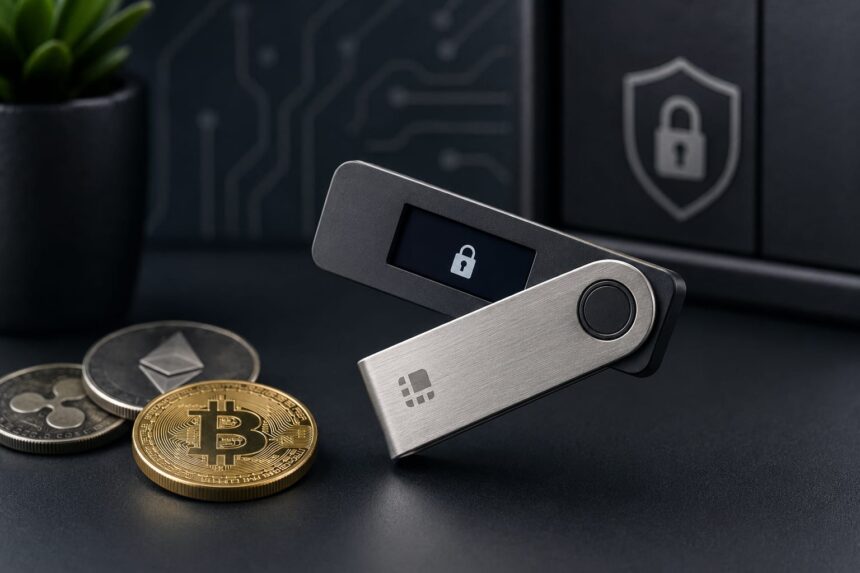
Some wallets feature ultra compact, minimalist designs ideal for discreet portability, while others prioritize larger, more informative screens for easier, more full transaction verification. Consider carefully how the device will be stored, carried, and interacted with regularly, and whether its chosen form factor aligns practically with those anticipated use cases.
Crucially, delve deeply into the underlying security architecture of the wallet itself, beyond just marketing claims. Premier devices often incorporate a secure element chip, a specialized, tamper resistant microcontroller specifically designed to host sensitive cryptographic data like private keys in an isolated environment.
This chip acts as a formidable digital fortress, isolating cryptographic operations even from the device’s main, general purpose processor. Other vital security features to scrutinize include substantial PIN protection, support for advanced passphrase options (like BIP39 passphrases for plausible deniability), and a well documented, transparent process for secure recovery seed phrase generation and backup.
Understanding these technical safeguards provides profound insight into the precise level of protection offered against various sophisticated attack vectors and potential vulnerabilities.
Finally, assess the established reputation of the manufacturer and the transparency of their development processes. Companies with a long standing track record of integrity in the digital asset industry and a proven commitment to independent security audits generally inspire sharply greater trust and confidence.
While proprietary software for the device operating system is common, some users, particularly privacy and security advocates, prefer devices with open source firmware, allowing extensive community scrutiny and verification of the underlying code. Evaluate how the manufacturer consistently handles firmware updates, proactively addresses security vulnerability disclosures, and provides responsive customer support.
A reliable company actively anticipates and addresses potential issues, providing clear, concise guidance to its user base, further improving the long term security posture and trustworthiness of their products in a rapidly evolving threat industry.
Beyond the Purchase: Operational Security Best Practices
Acquiring a hardware wallet is merely the inaugural step in establishing truly substantial digital asset security; effective, disciplined operational security practices are equally, if not more, critical for sustained protection. A top tier, meticulously engineered device can still be compromised through careless user error or sheer negligence.
Mastering the correct initial setup procedures and adhering strictly to ongoing usage protocols is absolutely essential for safeguarding your valuable assets effectively over time.
The initial setup process is central and requires undivided attention. Always generate your recovery seed phrase directly on the hardware device itself, never on a computer, smartphone, or any other internet connected system. This meticulous step ensures the phrase, which represents ultimate control over your funds, never touches a potentially compromised digital environment.
Meticulously write down this sequence of 12 or 24 words on durable, non electronic material, ideally using specialized metal plates or waterproof paper. Create multiple copies and store them in geographically separate, physically secure locations that are inaccessible to others.
This seed phrase represents the master key to your entire financial portfolio; whoever possesses it unequivocally controls your assets. Protect it with the utmost vigilance; don’t store digital copies, photographs, or cloud backups of your precious seed phrase under any circumstances.
When initiating or sending transactions, always verify the recipient address and the exact amount directly on the hardware wallet’s physical screen. Malicious software, often invisible to the user, can silently alter addresses or amounts displayed on your computer or phone’s interface just before confirmation.
The hardware wallet provides an independent, untainted visual confirmation, ensuring funds are sent to the precise intended destination for the correct sum. This simple, habitual step prevents a common and devastating form of crypto theft. Take your time during this critical verification. Double check every single detail before physically confirming the transaction on the device.
Regularly check for and promptly install official firmware updates from your hardware wallet manufacturer. These updates often contain critical security patches that address newly discovered vulnerabilities, implement performance improvements, and extend support for new features or tokens. Always download updates directly from the official manufacturer’s website and follow their precise, step by step instructions.
Be extremely wary of unsolicited update requests or unofficial download sources, as these are frequently malicious attempts to compromise your device or install harmful software. Verifying the cryptographic authenticity of any firmware update is a crucial final step in maintaining long term security and device integrity.
Beware constantly of phishing scams and social engineering tactics, which exploit human psychology rather than technical flaws. Never, under any circumstances, share your recovery seed phrase, PIN, or passphrase with anyone, regardless of who they claim to be or what urgency they express.
Legitimate customer support or official representatives will never ask for this highly sensitive information. Be inherently suspicious of unsolicited emails, direct messages on social media, or websites promising improbable giveaways or urgent actions that require your private keys. Treat all online interactions related to your crypto with extreme, unyielding caution.
The sole and ultimate responsibility for securing your keys unequivocally rests with you alone.
Consider using a passphrase in addition to your standard 24 word recovery seed phrase if your hardware wallet fully supports this advanced feature. A passphrase creates an entirely “hidden” wallet associated with your primary seed, adding an invaluable extra layer of plausible deniability and protection.
Even if a sophisticated attacker manages to gain physical access to your recovery seed phrase, they would still absolutely need the additional passphrase to access your primary funds. This advanced security feature is exceptionally invaluable for individuals holding significant amounts of digital assets and who are willing to manage the slight additional complexity.
It’s an optional but extraordinarily powerful deterrent against even the most persistent and sophisticated physical or digital attacks.
Navigating the Hardware Wallet industry
The burgeoning community of hardware wallets continues its rapid evolution, offering consumers an increasingly sophisticated array of choices for securing their digital wealth. From ultra compact, USB stick like devices to those featuring larger touchscreens and advanced biometric features, the diversity in design and functionality is expanding rapidly.
Understanding this dynamic industry means recognizing that while core functionality , securing private keys offline , remains consistently similar, the overall user experience and specific security implementations vary considerably across different brands and models. This segment helps clarify these complex distinctions for potential buyers.
While some wallets prioritize ultra simplicity and minimalist design, catering to users seeking maximum ease of use, others target power users who demand granular control and extensive integration with decentralized applications.
For instance, wallets like those smoothly supported by the Ledger Live platform exemplify an approach that prioritizes a smooth, integrated experience, allowing users to interact with a vast array of assets and Web3 services through a single, unified interface. This detailed approach strongly appeals to users who value both convenience and solid security.
Conversely, other manufacturers might emphasize strict air gapping, requiring all transactions to be signed purely offline with no direct software application intermediary, a rigorous method often favored by extreme security maximalists seeking ultimate isolation.
Supply chain security is a subtle but profoundly vital aspect that’s often overlooked. When purchasing a new hardware wallet, always buy directly from the official manufacturer’s website or an unequivocally authorized reseller listed on their site. Buying from unknown third party marketplaces, such as popular auction sites, carries a significant, unacceptable risk of receiving a tampered device. These “bad actor” devices or “man
Frequently Asked Questions (FAQs)
what is a hardware wallet
A hardware wallet is a physical device that provides an essential layer of offline security for your digital assets. It keeps your private keys isolated from internet connected devices, which helps prevent remote theft and keeps your crypto safe.
how to choose a hardware wallet
Choosing a hardware wallet involves balancing strong security features with practical usability and broad token support. You should evaluate factors like extensive software integration, physical durability, and a verifiable history of security audits to find the best fit for your individual needs.
what is ledger live
Ledger Live is a platform that supports a wide range of digital assets, including over 5,000 different tokens. It simplifies the management of cryptocurrencies like Bitcoin and many altcoins, making it easier to handle your holdings.
why is operational security important after buying a hardware wallet
Operational security after purchasing a hardware wallet is just as critical as the initial selection process. It helps prevent common user errors and ensures the long term safety of your digital assets, maintaining the integrity of your self custody.