
Last updated: 6 July 2026
Key Highlights
- As of October 2023, over 300 million crypto wallets are in use worldwide, according to Statista.
- Hardware wallets can reduce the risk of hacks by up to 90% compared to software wallets.
- Over 60% of crypto thefts are attributed to poor security practices in wallet management.
Creating a crypto wallet can seem daunting, especially for beginners. But don’t worry. This guide will show you how to create a crypto wallet step by step. We’ll cover different wallet types, how to set them up, and security best practices to keep your assets safe.
With over 300 million crypto wallets in use, it’s clear that many people are taking the plunge into this exciting digital frontier. Broader market context is available via CoinGecko, which tracks thousands of digital assets in real time.
Understanding Wallet Types
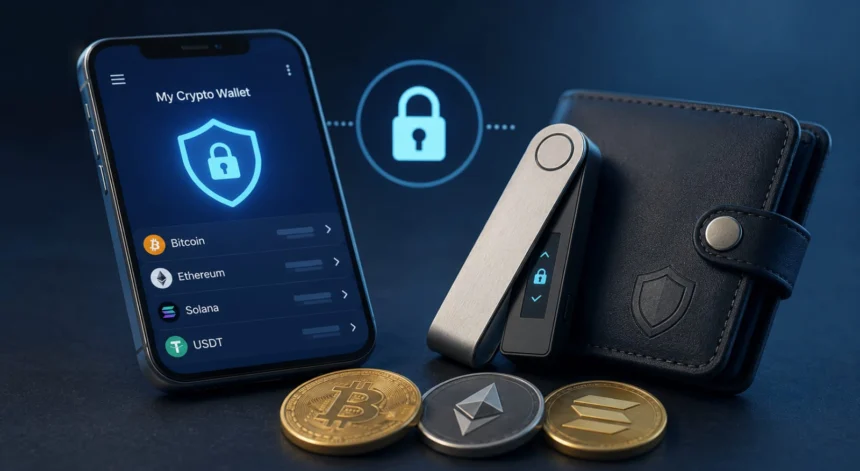
When you’re learning how to create a crypto wallet, the first step is understanding the different types available. There are mainly three categories: software wallets, hardware wallets, and paper wallets.
Software wallets are the most common. They can be desktop, mobile, or web based. These wallets are user friendly and convenient for everyday transactions. However, they’re also more vulnerable to hacks.
Hardware wallets, on the other hand, store your private keys offline. This makes them sharply more secure against cyber threats. Popular options like Ledger and Trezor offer excellent security features.
Lastly, paper wallets are simply a physical printout of your public and private keys. While they’re immune to online hacks, they can be easily lost or damaged. Choose wisely based on your needs.
Choosing the Right Wallet
Now that you know the types of wallets, how do you choose the right one? Consider your usage frequency, the amount of cryptocurrency you hold, and your security preferences.
If you’re a casual user, a software wallet might suffice. But if you’re planning to hold a significant amount of crypto, a hardware wallet is the way to go. It’s worth the investment for the added security.
For those who want to learn how to create a crypto wallet with excellent security, opting for a hardware wallet is a smart choice. They can reduce the risk of hacks by up to 90%, allowing you to sleep better at night.
How to Create a Crypto Wallet
Let’s get into the nitty gritty. Here’s how to create a crypto wallet, step by step:
- Choose Your Wallet Type: Decide between a software or hardware wallet based on your needs.
- Download or Purchase: If you choose a software wallet, download the app from the official website or app store. For hardware wallets, purchase from a trusted retailer.
- Create an Account: Follow the setup instructions. For software wallets, you’ll usually need to create an account with an email and password.
- Backup Your Wallet: Most wallets will prompt you to back up a recovery phrase. Write it down and store it somewhere safe. This is important as it can help recover your wallet if you forget your password.
- Fund Your Wallet: Transfer cryptocurrency from an exchange or another wallet into your new wallet. Make sure to double check the addresses to avoid any costly mistakes.
And there you have it! You’re now the proud owner of a crypto wallet.
Security Best Practices
First, always enable two factor authentication (2FA) if your wallet supports it. This adds an extra layer of security that can deter unauthorized access.
Next, be cautious about phishing attempts. Always verify links and emails before clicking. Scammers often impersonate wallet providers to steal credentials.
Finally, consider using a hardware wallet for long term storage. This can considerably reduce your risk of hacks, especially if you hold a substantial amount of cryptocurrency.
Common Mistakes to Avoid
Even seasoned crypto users make mistakes. To ensure you don’t fall into these traps, here are a few common pitfalls to avoid:
First, never share your private keys or recovery phrase with anyone. If someone has access to these, they can control your assets.
Also, don’t keep large amounts of cryptocurrency in software wallets for long periods. Use them primarily for transactions and move larger amounts to hardware wallets.
Finally, don’t skip updates. Whether it’s your wallet software or hardware, keeping everything updated ensures you have the latest security features.
And remember, the crypto space is constantly evolving. Stay informed about new security practices and threats.
Conclusion
In short: knowing how to create a crypto wallet is just the first step. Understanding the different types, choosing the right one, and employing best security practices are all critical for a successful experience in the crypto world. With the right tools and knowledge, you can navigate this exciting market safely.
Frequently Asked Questions (FAQs)
What are the different types of crypto wallets?
There are mainly three types of crypto wallets: software wallets, hardware wallets, and paper wallets. Software wallets are user friendly and convenient for everyday transactions, while hardware wallets store your private keys offline for better security.
How do I create a crypto wallet?
Creating a crypto wallet can seem daunting, but it involves choosing the right type of wallet, downloading or purchasing it, and following the setup instructions. This guide will walk you through the steps to help you get started.
Why are hardware wallets considered safer than software wallets?
Hardware wallets are considered safer because they store your private keys offline, significantly reducing the risk of hacks. In fact, they can reduce the risk of hacks by up to 90% compared to software wallets.
What security practices should I follow for my crypto wallet?
To keep your assets safe, it is important to follow good security practices such as using hardware wallets, enabling two factor authentication, and avoiding sharing your private keys. Over 60% of crypto thefts are linked to poor security practices in wallet management.
The TCB View
TCB believes that navigating the world of crypto wallets is essential for anyone interested in digital assets. With over 300 million wallets in use, the opportunity for growth is massive.
However, risks abound, particularly related to security. We see hardware wallets as the safe choice for serious investors. Watch for emerging security technologies that could change the game.