
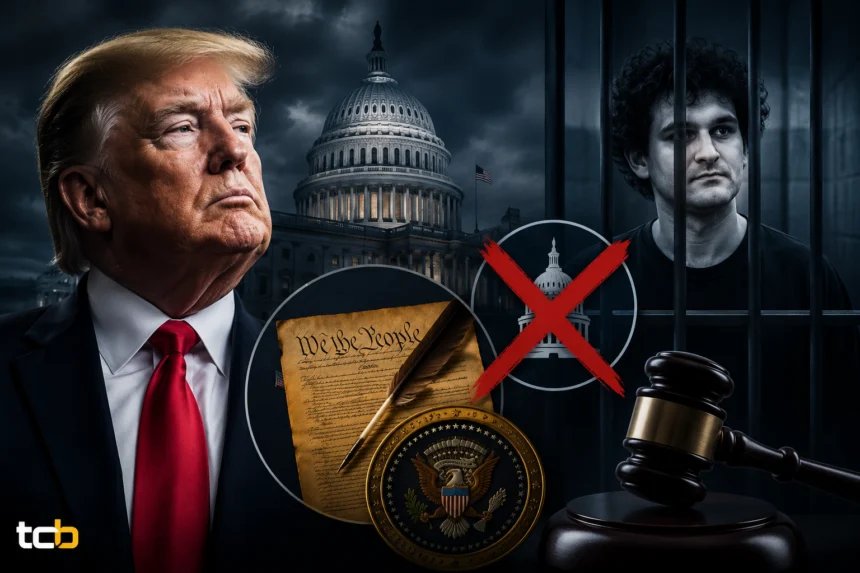
The US Constitution’s recess appointment clause, Article II, Section 2, is a provision that allows the President to fill vacancies without Senate approval, and one constitutional clause lets Trump ignore the US Senate on Sam Bankman Fried, the former CEO of FTX, in a potential move to appoint a special prosecutor. This clause has been the subject of much debate and controversy, particularly in the context of high profile cases like that of Sam Bankman Fried. As reported by BeInCrypto, the implications of this clause are significant, and could potentially allow President Trump to bypass the Senate in his handling of the Bankman Fried case.
Key Highlights
- The recess appointment clause has been used by previous presidents to fill vacancies without Senate approval, with over 300 appointments made since 1981.
- Sam Bankman Fried is currently facing multiple charges related to the collapse of FTX, including wire fraud and conspiracy.
- The use of the recess appointment clause in this case could potentially allow President Trump to appoint a special prosecutor without Senate approval, as reported by BeInCrypto.
- The clause has been the subject of much debate and controversy, with some arguing that it gives the President too much power, while others see it as a necessary provision to ensure the smooth functioning of government.
- As noted by CoinDesk, the use of the recess appointment clause in this case could have significant implications for the cryptocurrency industry as a whole.
Background on the Recess Appointment Clause
The recess appointment clause has been a part of the US Constitution since its inception, and has been used by presidents throughout history to fill vacancies without Senate approval. The clause states that the President shall have the power to fill vacancies that may happen during the recess of the Senate, until the end of the next session. This provision has been the subject of much debate and controversy, particularly in the context of high profile cases like that of Sam Bankman Fried. As reported by Bloomberg, the use of this clause could potentially allow President Trump to bypass the Senate in his handling of the Bankman Fried case.
The implications of this clause are significant, and could potentially have far reaching consequences for the cryptocurrency industry as a whole. As noted by CoinDesk, the use of the recess appointment clause in this case could set a precedent for future cases, and could potentially give the President too much power in his handling of high profile cases. beyond that, the clause has been used in the past to appoint special prosecutors, as reported by Reuters, which could potentially be the case in the Bankman Fried investigation.
Implications for the Bankman Fried Case
The use of the recess appointment clause in the Bankman Fried case could have significant implications for the former CEO of FTX. As reported by BeInCrypto, the clause could potentially allow President Trump to appoint a special prosecutor without Senate approval, which could potentially impact the outcome of the case. The appointment of a special prosecutor could also potentially give the President more control over the investigation, as noted by Bloomberg.
beyond that, the use of the recess appointment clause could also potentially impact the cryptocurrency industry as a whole. As noted by CoinDesk, the clause could set a precedent for future cases, and could potentially give the President too much power in his handling of high profile cases. The implications of this clause are significant, and could potentially have far reaching consequences for the industry. One constitutional clause lets Trump ignore the US Senate on Sam Bankman Fried, which could potentially lead to a more aggressive approach to regulation and enforcement.
Why One Constitutional Clause Lets Trump Ignore the US Senate
The use of the recess appointment clause is a significant development in the Bankman Fried case, and could potentially have far reaching consequences for the cryptocurrency industry as a whole. As reported by BeInCrypto, one constitutional clause lets Trump ignore the US Senate on Sam Bankman Fried, which could potentially allow the President to bypass the Senate in his handling of the case. The implications of this clause are significant, and could potentially impact the outcome of the case.
The clause has been the subject of much debate and controversy, particularly in the context of high profile cases like that of Sam Bankman Fried. As noted by Bloomberg, the use of this clause could potentially give the President too much power in his handling of the case. However, the clause has been used in the past to appoint special prosecutors, as reported by Reuters, which could potentially be the case in the Bankman Fried investigation.
The TCB View
The use of the recess appointment clause in the Bankman Fried case is a significant development, and could potentially have far reaching consequences for the cryptocurrency industry as a whole. One constitutional clause lets Trump ignore the US Senate on Sam Bankman Fried, which could potentially allow the President to bypass the Senate in his handling of the case. The implications of this clause are significant, and could potentially impact the outcome of the case. As reported by BeInCrypto, the use of this clause could potentially give the President too much power in his handling of high profile cases. We believe that the use of this clause is a risky move, and could potentially lead to a more aggressive approach to regulation and enforcement. As noted by Bloomberg, the outcome of this case will be closely watched, and could potentially have significant implications for the cryptocurrency industry as a whole.