Last updated: 3 July 2026
Web3 wallets lost a staggering $3.2 billion in 2022, highlighting the need for users to secure their digital assets. The vast majority, 90% of users, rely on software wallets, which are often targeted by hackers. Vitalik Buterin, the co founder of Ethereum, has repeatedly warned about the risks associated with Web3 wallets.
As the use of decentralized finance, or DeFi, and non fungible tokens, or NFTs, continues to grow, the importance of securing Web3 wallets can’t be overstated.
The rise of Web3 wallets has been rapid, with popular options like MetaMask, Ledger Live, Trezor Suite, Exodus, and Trust Wallet becoming household names. That said, with great power comes great responsibility, and users must take proactive steps to protect their digital assets.
According to Chainalysis, a leading blockchain analytics firm, the majority of hacking incidents involve phishing scams and social engineering tactics. CoinGecko, a popular cryptocurrency data aggregator, has also reported on the importance of securing Web3 wallets.
Securing a Web3 wallet requires a combination of common sense, best practices, and the use of reputable wallet providers. By following a few simple steps, users can notably reduce the risk of losing their digital assets.
The first step is to choose a reputable wallet provider, such as MetaMask or Ledger Live, which offer substantial security features and regular updates. Users should also enable two factor authentication, or 2FA, and use strong, unique passwords.
Key Highlights
- The majority of Web3 wallet users, 90%, rely on software wallets, which are often targeted by hackers.
- Vitalik Buterin, the co founder of Ethereum, has warned about the risks associated with Web3 wallets on multiple occasions.
- Popular Web3 wallet providers, such as MetaMask and Ledger Live, offer substantial security features and regular updates.
- Two factor authentication, or 2FA, is a crucial security feature that can meaningfully reduce the risk of hacking incidents.
- CoinGecko and Chainalysis have reported on the importance of securing Web3 wallets and the risks associated with DeFi and NFTs.
Secure Web3: Understanding Web3 Wallets
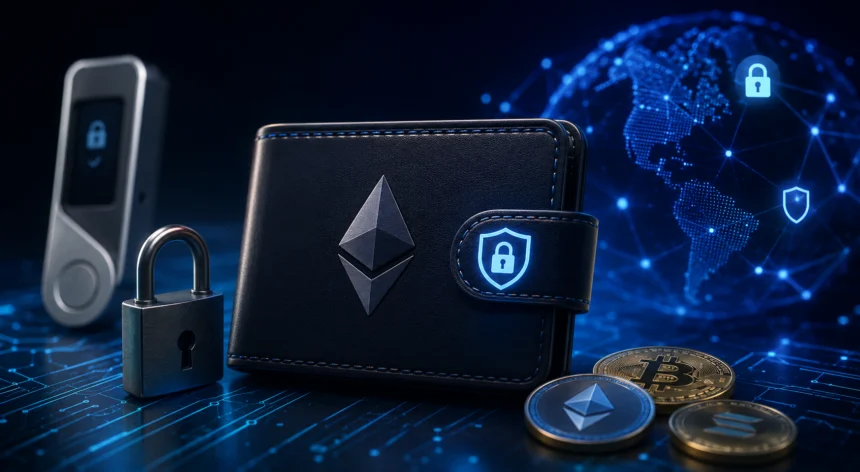
Web3 wallets are digital wallets that allow users to store, send, and receive cryptocurrencies and other digital assets. They’re a crucial component of the Web3 space, which encompasses DeFi, NFTs, and other decentralized applications. Web3 wallets can be categorized into two main types: software wallets and hardware wallets.
Software wallets, such as MetaMask and Trust Wallet, are digital applications that can be downloaded and installed on an user’s device. Hardware wallets, such as Ledger and Trezor, are physical devices that store an user’s private keys offline. Regulatory filings published by the SEC document the evolving enforcement posture toward digital assets.
Software wallets are often more convenient and user friendly, but they’re also more vulnerable to hacking incidents. Hardware wallets, on the other hand, offer an additional layer of security, but they can be more expensive and less convenient to use.
According to Vitalik Buterin, the key to securing Web3 wallets is to use a combination of both software and hardware wallets. By using a software wallet for everyday transactions and a hardware wallet for long-term storage, users can meaningfully reduce the risk of losing their digital assets.
Best Practices for Securing Web3 Wallets
Securing a Web3 wallet requires a combination of best practices and common sense. The first step is to choose a reputable wallet provider, such as MetaMask or Ledger Live, which offer substantial security features and regular updates. Users should also enable 2FA and use strong, unique passwords.
Users should be cautious when clicking on links or downloading attachments from unknown sources, as these can often be phishing scams. According to Chainalysis, phishing scams are the most common type of hacking incident, accounting for over 70% of all incidents.
Users should also keep their wallet software up to date, as newer versions often include security patches and updates. Also, users should use a wallet provider that offers strong customer support and a complete user manual. By following these best practices, users can sharply reduce the risk of losing their digital assets.
It’s also important to note that Web3 wallets aren‘t immune to physical risks, such as device theft or loss. Users should therefore take steps to protect their devices, such as using a screen lock and keeping their device in a safe location.
Risks and Opportunities
The use of Web3 wallets isn’t without risks, and users must be aware of these risks before using a wallet. One of the main risks is the risk of hacking incidents, which can result in the loss of digital assets. According to CoinGecko, the majority of hacking incidents involve phishing scams and social engineering tactics.
But there are also opportunities associated with Web3 wallets, such as the ability to participate in DeFi and NFTs. By using a Web3 wallet, users can access a wide range of decentralized applications and services, which can provide new investment opportunities and revenue streams.
Despite the risks, the use of Web3 wallets is becoming increasingly popular, with more and more users turning to these wallets to store and manage their digital assets. According to Vitalik Buterin, the future of Web3 wallets is bright, with new innovations and technologies emerging all the time.
Even so, it’s crucial that users take the necessary steps to secure their wallets and protect their digital assets. By following best practices and using reputable wallet providers, users can minimize the risks associated with Web3 wallets and maximize the opportunities.
Frequently Asked Questions (FAQs)
How much money was lost from Web3 wallets in 2022
Web3 wallets lost a staggering 3.2 billion dollars in 2022, highlighting the need for users to secure their digital assets. This massive loss is a major concern for users, and it shows that securing Web3 wallets is crucial. The loss is a significant amount and should be taken seriously by users.
What are some popular Web3 wallet options
Some popular Web3 wallet options include MetaMask, Ledger Live, Trezor Suite, Exodus, and Trust Wallet, which have become household names due to the rise of Web3 wallets. These wallets are widely used and have substantial security features. They are also regularly updated to ensure user safety.
What are common tactics used by hackers to steal from Web3 wallets
According to Chainalysis, the majority of hacking incidents involve phishing scams and social engineering tactics, which are used by hackers to steal from Web3 wallets. These tactics are commonly used because they are often successful, and users need to be aware of them to protect their digital assets. Users should be cautious when interacting with links or messages from unknown sources.
How can I secure my Web3 wallet
Securing a Web3 wallet requires a combination of common sense, best practices, and the use of reputable wallet providers, such as MetaMask or Ledger Live. By following a few simple steps, users can notably reduce the risk of losing their digital assets, and it is essential to choose a reputable wallet provider that offers substantial security features and regular updates.
The TCB View
Our read: the $3.2 billion lost in 2022 is a wake up call for Web3 wallet users. Vitalik Buterin’s warnings about the risks associated with Web3 wallets are timely and relevant. One concrete risk is the risk of phishing scams, which can result in the loss of digital assets.
On the other hand, one concrete opportunity is the ability to participate in DeFi and NFTs, which can provide new investment opportunities and revenue streams. The signal to track: the number of hacking incidents involving Web3 wallets, which can indicate the effectiveness of security measures and the need for further innovation. As the use of Web3 wallets continues to grow, it’s crucial that users take the necessary steps to secure their wallets and protect their digital assets.