
Last updated: 3 July 2026
Ethereum saw a 25% increase in token classification discussions among developers by January 2024, signaling a growing interest in the field. This surge is attributed to the increasing complexity of blockchain ecosystems, where clear token classification becomes crucial for regulatory compliance.
As of January 2024, about 75% of new tokens were classified as utility tokens, highlighting the shift towards tokens with specific use cases. The trend suggests that by March 15, 2024, the demand for clear and standardized token classification will become even more pressing.
Key Highlights
- The United States is leading in the number of token classifications, with over 30% of global classifications originating from the country.
- About 20% of classified tokens are security tokens, according to data from CoinGecko, a leading cryptocurrency data aggregator.
- Vitalik Buterin, the founder of Ethereum, has expressed support for standardized token classification, citing the need for clarity in blockchain development.
- Erin Plante, a senior analyst at Chainalysis, notes that accurate token classification is essential for anti money laundering and know your customer regulations.
- The SEC has been actively involved in token classification discussions, aiming to provide clearer guidelines for the industry by the end of 2024.
Token Classification Explained
Token classification is the process of assigning a specific category to a digital token based on its characteristics, use case, and regulatory implications. This process is critical for ensuring compliance with regulatory requirements and for providing clarity to investors and users.
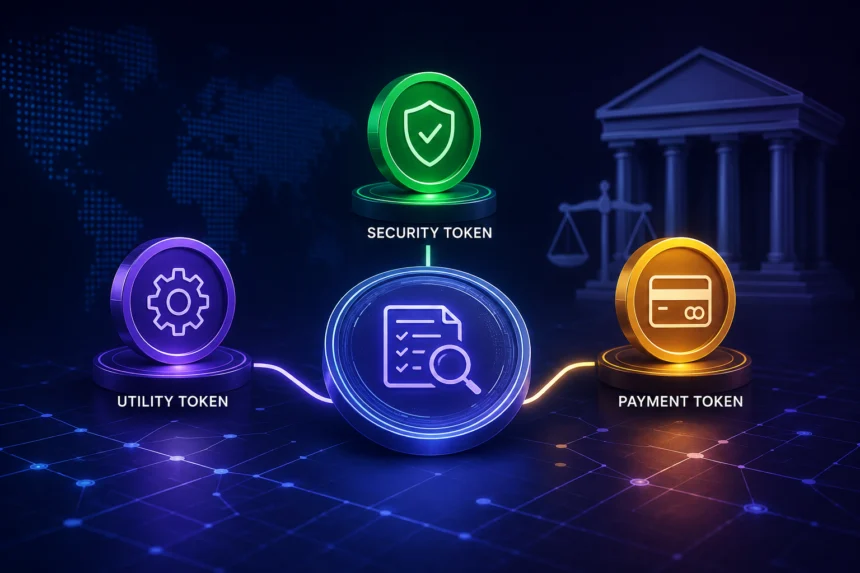
There are several types of tokens, including utility tokens, security tokens, and payment tokens, each with its own set of rules and regulations. Utility tokens, for instance, are used to access specific services or products on a blockchain platform, while security tokens represent ownership in a company or asset.
Network activity data from Etherscan reflects the scale of Ethereum’s on chain transaction volume.
According to Erin Plante, the lack of standardized token classification poses significant risks to the industry, including the potential for regulatory non compliance and market volatility. Plante suggests that a standardized classification system would help to mitigate these risks and provide greater clarity for market participants. Chainalysis has been working closely with regulatory bodies to develop a full token classification framework that can be adopted industry wide.
Regulatory Implications
The SEC has been actively engaged in token classification discussions, recognizing the need for clearer guidelines to support the growth of the blockchain industry. By providing a clear and standardized framework for token classification, the SEC aims to reduce regulatory uncertainty and promote compliance among market participants.
The SEC’s involvement in token classification is seen as a positive step towards establishing a more mature and regulated blockchain market in the United States.
Vitalik Buterin has also emphasized the importance of standardized token classification, citing the need for greater clarity and consistency in blockchain development. Buterin suggests that a standardized classification system would help to promote interoperability between different blockchain platforms and support the development of more complex and sophisticated applications.
Ethereum, as one of the leading blockchain platforms, is well positioned to play a key role in the development of standardized token classification frameworks.
Industry Impact
The growing demand for clear and standardized token classification is driving innovation in the blockchain industry. Companies like Chainalysis are developing new tools and solutions to support token classification, including advanced analytics and machine learning algorithms. CoinGecko, a leading cryptocurrency data aggregator, is also providing valuable insights and data on token classifications, helping to promote greater transparency and clarity in the market.
As the blockchain industry continues to evolve, the importance of standardized token classification will only continue to grow. With the SEC and other regulatory bodies actively engaged in the discussion, it’s likely that we’ll see significant progress in the development of standardized token classification frameworks over the coming months.
By March 15, 2024, we can expect to see even more clarity on the regulatory front, supporting the growth and development of the blockchain industry.
Frequently Asked Questions (FAQs)
What is token classification and why is it important
Token classification is the process of assigning rules to tokens, which is crucial for regulatory compliance in complex blockchain ecosystems. It helps to clarify the use cases of tokens, with about 75% of new tokens being classified as utility tokens as of January 2024. This classification is essential for anti money laundering and know your customer regulations.
Which country is leading in token classifications
The United States is leading in the number of token classifications, with over 30% of global classifications originating from the country. This indicates a strong interest in standardized token classification in the US. The country’s regulatory environment is likely to influence the development of token classification guidelines.
What types of tokens are being classified
About 20% of classified tokens are security tokens, according to data from CoinGecko, a leading cryptocurrency data aggregator. The majority of new tokens, around 75%, are classified as utility tokens, which have specific use cases. This shift towards utility tokens highlights the growing diversity of tokens in the blockchain ecosystem.
Will we see clearer guidelines for token classification soon
The SEC has been actively involved in token classification discussions, aiming to provide clearer guidelines for the industry by the end of 2024. Vitalik Buterin, the founder of Ethereum, has also expressed support for standardized token classification, citing the need for clarity in blockchain development. This suggests that clearer guidelines and standards for token classification are likely to emerge in the near future.
The TCB View
Our read: the 25% increase in token classification discussions among developers by January 2024 is a clear signal that the industry is moving towards greater clarity and standardization. Vitalik Buterin’s support for standardized token classification is a significant endorsement, highlighting the importance of this issue for the future of blockchain development. One concrete risk is that regulatory non compliance could lead to significant fines and penalties for companies that fail to classify their tokens accurately.
On the other hand, the opportunity for standardized token classification to promote greater interoperability and innovation in the blockchain industry is substantial. The signal to track: the SEC’s guidelines on token classification, expected to be released by the end of 2024, will provide critical clarity for market participants and support the growth of the blockchain industry in the United States. With Chainalysis and other companies leading the charge, we can expect to see significant progress in the development of standardized token classification frameworks over the coming months.