
Last updated: 4 July 2026
Key Highlights
- Ethereum’s transition to sharding is set for implementation in 2024, aiming to increase scalability by enabling 64 new chains.
- The Ethereum network currently processes around 30 transactions per second, with sharding expected to boost this to over 100,000 TPS, per Ethereum’s official roadmap.
- In a recent testnet, sharding showcased a 70% reduction in latency during peak usage times.
- Ethereum’s total value locked (TVL) in DeFi surpassed $30 billion as of October 2023. That demand for efficient scaling solutions.
- Sharding could reduce gas fees by as much as 50%, according to early projections from Ethereum developers.
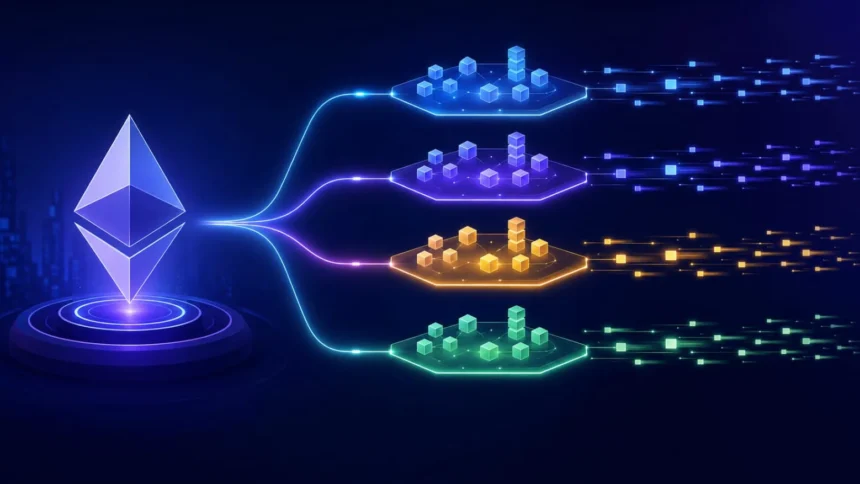
Ethereum sharding is more than just a technical upgrade; it’s a critical element in Ethereum’s scalability strategy. As the blockchain world grows, Ethereum has faced mounting pressure to strengthen its transaction capacity and lower fees. Sharding promises to do just that by dividing the network into smaller, manageable pieces.
But what exactly is sharding, and how can it transform the Ethereum space? Network activity data from Etherscan reflects the scale of Ethereum’s on chain transaction volume.
Understanding Ethereum Sharding
Sharding is a method of database partitioning that separates the workload among many smaller databases, or shards. In Ethereum’s context, this means splitting the blockchain into multiple shards, each capable of processing its transactions and smart contracts. This approach allows for parallel processing, which can sharply improve transaction speeds and overall network efficiency.
Ethereum’s current proof of work model has its limitations. With sharding, the Ethereum network can handle thousands of transactions simultaneously. This is a game changer for developers and users alike, as it means faster confirmations and reduced congestion.
Benefits of Ethereum Sharding
The primary benefit of Ethereum sharding is scalability. By enabling the network to process multiple transactions simultaneously, sharding can increase the throughput of Ethereum from its current 30 transactions per second to an estimated 100,000 TPS.
Lower gas fees are another significant advantage. In a sharded environment, the demand on any single shard is reduced, which can lead to a decrease in transaction costs. Early projections suggest gas fees could drop by up to 50%, making Ethereum more accessible to users.
And sharding can strengthen security. Each shard operates independently, making it harder for attackers to compromise the entire network. If one shard experiences issues, others can continue functioning normally, maintaining the network’s integrity.
Challenges Ahead
Despite its potential, sharding comes with its own set of challenges. One major concern is the complexity of implementation. Developers need to ensure that shards communicate effectively, which requires sophisticated cross linking protocols.
Another challenge is maintaining security across shards. As the number of shards increases, so does the risk of attacks. Developers must find ways to ensure that all shards remain secure without compromising performance.
There’s also the issue of decentralization. With sharding, there’s a risk that only a few entities might control significant portions of the network, which could lead to centralization. Ethereum developers are aware of this concern and are actively working on solutions to mitigate these risks.
Potential Applications of Sharding
Ethereum sharding could open doors to numerous applications. One major area is decentralized finance (DeFi). With lower fees and faster transaction speeds, DeFi platforms could attract more users and offer more complex financial products without the bottlenecks currently experienced on the network.
Gaming is another sector expected to benefit. Fast and affordable transactions can lead to more engaging gaming experiences. Players won’t have to worry about high fees for in game transactions or long wait times for confirmations.
Also, sharding can strengthen the development of non fungible tokens (NFTs). With improved scalability, minting and trading NFTs could become a more clean experience, driving growth in the digital art and collectibles market.
What Lies Ahead for Ethereum Sharding?
Ethereum sharding is set to be rolled out in stages, beginning in 2024. The community eagerly anticipates these updates, as they promise to address many of the issues that have plagued Ethereum for years. However, the timeline remains fluid, and developers face numerous hurdles.
As Ethereum’s transition unfolds, its impact will resonate across the crypto space. Sharding could solidify Ethereum’s dominance in blockchain technology, but the execution must be flawless. Will Ethereum rise to the occasion, or will it stumble under the weight of its ambitions?
Frequently Asked Questions (FAQs)
What is Ethereum sharding?
Ethereum sharding is a method of database partitioning that divides the blockchain into multiple smaller pieces, or shards, each capable of processing its own transactions and smart contracts. This approach aims to improve scalability and efficiency on the Ethereum network.
How will sharding affect Ethereum’s transaction speed?
Sharding is expected to significantly increase Ethereum’s transaction speed, boosting it from around 30 transactions per second to over 100,000 transactions per second. This improvement is crucial for accommodating the growing demand for blockchain transactions.
When is Ethereum planning to implement sharding?
Ethereum’s transition to sharding is set for implementation in 2024, marking a major step in its scalability strategy. This upgrade is designed to enhance the network’s capacity and efficiency.
Will sharding reduce gas fees on Ethereum?
Yes, early projections from Ethereum developers suggest that sharding could reduce gas fees by as much as 50%. This reduction is part of the broader goal to make transactions more affordable for users.
The TCB View
TCB believes Ethereum sharding is a critical step toward achieving the network’s full potential. While the promise of over 100,000 TPS is enticing, the challenges of implementation and security remain significant hurdles.
We see opportunities for DeFi and gaming to thrive with lower fees and faster transactions. However, the risk of centralization looms large. Watch for developments in sharding protocols and community discussions as 2024 approaches.