
Last updated: 4 July 2026
Key Highlights
- As of Q4 2023, the decentralized AI market is projected to reach $1.5 billion in annual revenue, growing at a rate of 35% year on year.
- The AI model on the OpenAI platform saw a 50% increase in user engagement from Q1 to Q3 2023.
- Decentralized AI platforms like Ocean Protocol have processed over 2 million data transactions since their launch in 2020.
- In 2023, 60% of organizations using decentralized AI reported improved data privacy and security.
- By the end of 2023, over 1,000 developers are expected to contribute to the open source AI community.
Knowing how to use a decentralized AI platform can seem daunting. But with the right guidance, anyone can harness these innovative tools. Decentralized AI platforms allow users to access AI models without the control of a central authority, ensuring privacy and flexibility. Here’s a step by step guide to using decentralized AI platforms effectively. Recent research published on arXiv tracks rapid advancement across AI model architectures.
Understanding Decentralized AI
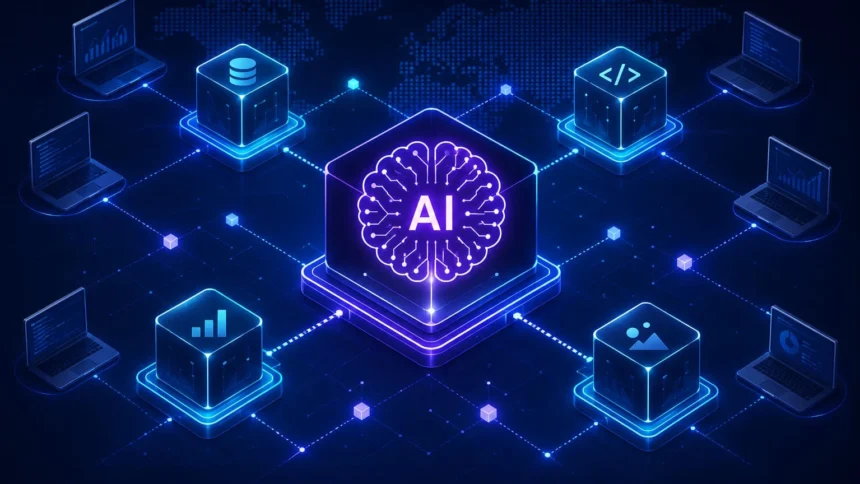
Decentralized AI applies blockchain technology to allow users to interact with AI models in a transparent and secure manner. This method provides several advantages, such as data ownership, enhanced privacy, and reduced costs. But why is this important? With traditional AI platforms, data control often lies with a single entity, which poses risks to privacy and security.
Decentralized AI platforms shift that control back to users. They enable a more democratic approach to AI, where data is not just a commodity but a shared asset. This shift is important, especially as data privacy concerns grow. The decentralized nature allows for a collaborative environment, driving innovation and creativity within the AI space.
Step 1: Choose the Right Platform
Not all decentralized AI platforms are created equal. Some popular options include Ocean Protocol, Fetch.ai, and SingularityNET. Each platform has its unique features and use cases. Take your time to research which platform aligns best with your needs.
For example, Ocean Protocol focuses on data sharing and monetization, making it ideal for data scientists and researchers. On the other hand, Fetch.ai emphasizes autonomous agents, which can be beneficial for developers looking to build complex AI applications.
Once you’ve selected a platform, create an account. Most platforms offer simple onboarding processes, guiding you through the necessary steps to set up your profile. Don’t skip this step. Having an account is essential to accessing the platform’s features.
Step 2: Acquire Tokens
Most decentralized AI platforms operate using their native tokens. These tokens are used to access services, pay for data, and incentivize contributors. For instance, Ocean Protocol uses OCEAN tokens for transactions on its network. You can acquire tokens through cryptocurrency exchanges like Binance or Uniswap.
Once you’ve got your tokens, transfer them to your wallet. Make sure to check the wallet compatibility with the platform you’re using. And remember, keep your private keys secure. Losing them means losing access to your assets.
Step 3: Explore Available AI Models
Decentralized AI platforms host various models, catering to different tasks. Whether you’re looking for natural language processing tools or image recognition models, there’s likely something available. Platforms often categorize models based on their use cases, making it easier to find what you need.
Take the time to read through the documentation provided for each model. Understanding how to implement and fine tune these models is important for achieving optimal results. Don’t hesitate to experiment. The beauty of decentralized platforms lies in their accessibility and flexibility.
Step 4: Deploy and Use the AI Models
Once you’ve chosen a model, it’s time to deploy it. This process can vary based on the platform but typically involves integrating the model into your application or workflow. Some platforms provide APIs to enable this integration.
Make sure to monitor the model’s performance. Many decentralized AI platforms offer analytics tools to help track usage and effectiveness. And if something’s not working as expected, don’t panic. Adjustments can usually be made to improve outcomes.
Step 5: Engage with the Community
Decentralized AI thrives on community involvement. Participate in forums, attend webinars, and contribute to discussions. Engaging with other users can provide valuable insights and tips. You might even find collaborators for your projects.
Consider contributing to open source projects as well. These platforms often rely on community support for development. By lending a hand, you not only help the sector grow but also gain a deeper understanding of how everything works.
Conclusion: The Future of Decentralized AI
As the decentralized AI industry evolves, the potential applications will only increase. From healthcare to finance, the benefits are vast. The ability to use AI models without central control promises significant advancements in various fields. So, are you ready to dive into the world of decentralized AI?
Frequently Asked Questions (FAQs)
What is decentralized AI and how does it work
Decentralized AI applies blockchain technology to allow users to interact with AI models in a transparent and secure manner, providing several advantages such as data ownership, enhanced privacy, and reduced costs. This method ensures that users can access AI models without the control of a central authority, which can pose risks to privacy. Decentralized AI platforms have processed over 2 million data transactions since their launch in 2020.
What are the benefits of using decentralized AI platforms
The benefits of using decentralized AI platforms include data ownership, enhanced privacy, and reduced costs, which are achieved by applying blockchain technology to allow users to interact with AI models in a transparent and secure manner. Decentralized AI platforms also provide flexibility and transparency, allowing users to access AI models without the control of a central authority. In 2023, 60% of organizations using decentralized AI reported improved data privacy and security.
How big is the decentralized AI market
The decentralized AI market is projected to reach $1.5 billion in annual revenue as of Q4 2023, growing at a rate of 35% year on year. This growth is driven by the increasing adoption of decentralized AI platforms, which have processed over 2 million data transactions since their launch in 2020. The AI model on the OpenAI platform saw a 50% increase in user engagement from Q1 to Q3 2023.
Why is decentralized AI important
Decentralized AI is important because it allows users to access AI models without the control of a central authority, which can pose risks to privacy, and provides several advantages such as data ownership, enhanced privacy, and reduced costs. With traditional AI platforms, data control often lies with a single entity, which can be a risk to privacy, whereas decentralized AI platforms provide transparency and security. By the end of 2023, over 1,000 developers are expected to contribute to the open source AI community.
The TCB View
TCB believes the decentralized AI market is on the verge of explosive growth, projected to hit $1.5 billion by the end of 2023. Organizations that adopt these platforms early will likely reap the benefits, while those sticking to traditional methods risk falling behind.
Watch for advancements in user engagement on decentralized platforms, as trends indicate a shift towards more collaborative AI solutions. The next big trigger? Look for emerging projects that will redefine how we interact with AI.