Last updated: 5 July 2026
Key Highlights
- Over 1.3 billion people lack a recognized form of digital identity as of 2023, according to the World Bank.
- The Web3 market is projected to reach $23 billion by 2028, growing at a CAGR of 43.7% from 2021.
- In March 2023, the Ethereum network processed over 1.5 million identity related transactions.
- A recent study estimated that digital identity solutions could save businesses up to $35 billion annually in fraud prevention costs.
- As of Q2 2023, over 200 decentralized identity protocols have been launched on various blockchains.
So, what is digital identity and Web3? At its core, digital identity refers to the online representation of individuals or entities, covering everything from usernames to biometric data. With the rise of Web3, a decentralized internet powered by blockchain technology, the concept of digital identity is evolving.
It’s no longer just about having an online presence; it’s about owning and controlling that identity in a secure and private manner. Broader market context is available via CoinGecko, which tracks thousands of digital assets in real time.
What Is Digital Identity and Web3: Understanding Digital Identity
Digital identity isn’t just a buzzword; it’s a vital component of our online lives. Think of it as a digital version of your physical identity. It includes your social media profiles, email addresses, and even your financial credentials. But here’s the kicker: most of these identities are controlled by centralized entities, like Google or Facebook.
As the World Bank noted, over 1.3 billion people globally lack any recognized form of digital identity. That’s a staggering number. These individuals are often excluded from basic services like banking, healthcare, and education. Digital identity solutions aim to bridge this gap, providing a way for individuals to establish their identities securely.
The Role of Web3
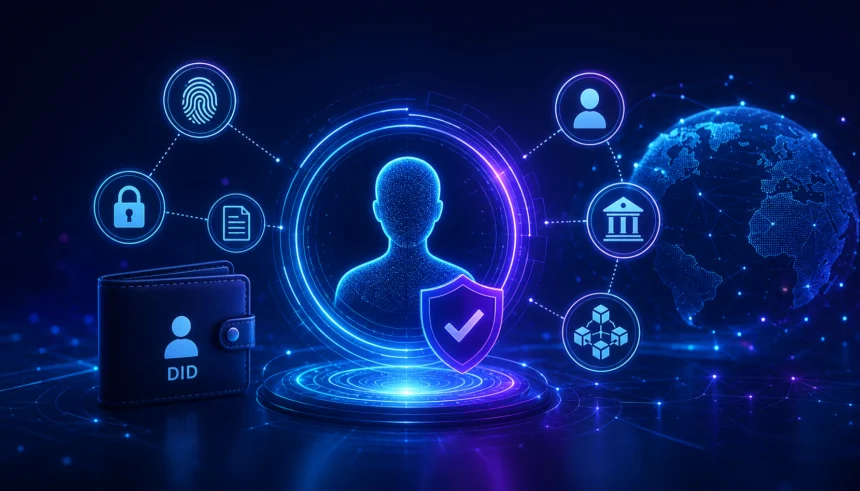
Web3 is all about decentralization. Unlike the current Web2, where user data is stored on centralized servers, Web3 draws on blockchain technology to give users control over their own data. This shift is important for digital identity. With decentralized identity solutions, individuals can manage their own credentials, allowing for greater privacy and security.
For instance, decentralized identifiers (DIDs) enable users to create unique identifiers that aren’t tied to a central authority. This means you can carry your identity across different platforms without losing control over your personal information. It’s a game changer.
Digital Identity Protocols in Web3
Several protocols are currently making waves in the digital identity space within Web3. Projects like uPort and SelfKey focus on giving users self sovereign identity. Users can store and manage their identities on their devices, protecting them from data breaches that plague centralized systems.
In fact, as of Q2 2023, over 200 decentralized identity protocols have emerged on various blockchains. This explosion of options offers users the chance to choose the best fit for their needs, building innovation in the space.
Benefits of Digital Identity in Web3
So why does digital identity matter in Web3? First, it strengthens security. By decentralizing personal data, the risk of large scale data breaches diminishes notably. Second, it provides privacy. Users can control who accesses their information, reducing the risks of surveillance capitalism.
And it streamlines processes. Businesses can verify identities more efficiently, saving time and money. A recent study estimated that digital identity solutions could save businesses up to $35 billion annually in fraud prevention costs. That’s a significant incentive for companies to adopt these technologies.
Challenges Ahead
But it’s not all sunshine and rainbows. The adoption of digital identity solutions faces several hurdles. For one, regulatory frameworks are still catching up with technology. Countries vary widely in their acceptance and implementation of digital identity laws.
Many people are still unaware of the benefits of digital identity in a decentralized context. Education is key here. If users don’t understand how to manage their own identities, they might shy away from these solutions altogether.
The Future of Digital Identity and Web3
The future looks promising, but challenges remain. As the Web3 market is projected to reach $23 billion by 2028, the intersection of digital identity and Web3 will likely become a focal point of innovation. Companies and developers will need to work together to create user friendly solutions that prioritize security and privacy.
And let’s not forget the importance of community governance. Decentralized identity solutions should be built with input from users to ensure they meet real needs. A top down approach won’t cut it.
Frequently Asked Questions (FAQs)
what is digital identity
Digital identity refers to the online representation of individuals or entities, covering everything from usernames to biometric data, it’s like a digital version of your physical identity and includes your social media profiles, email addresses, and even your financial credentials.
what is web3 and how does it relate to digital identity
Web3 is a decentralized internet powered by blockchain technology, and with its rise, the concept of digital identity is evolving to be more about owning and controlling your online presence in a secure and private manner.
how many people lack digital identity
Over 1.3 billion people lack a recognized form of digital identity as of 2023, according to the World Bank, which highlights the need for digital identity solutions.
why is digital identity important for businesses
Digital identity solutions could save businesses up to $35 billion annually in fraud prevention costs, which makes it a vital component for companies to consider in their online operations.
The TCB View
TCB believes the merging of digital identity and Web3 is an important step toward a more secure and private internet. The potential savings of $35 billion in fraud prevention costs highlights the opportunity for businesses, while risks around regulatory compliance could hinder adoption. Watch for developments in decentralized identity regulations globally.
We see a future where users have complete control over their identities, but this requires education and solid protocols. Watch for emerging protocols that prioritize user experience and security.