
Last updated: 23 July 2026
Key Highlights
- Klarna generated $1.3 billion in revenue in 2022, despite facing increasing regulatory scrutiny.
- Affirm reported a 31% increase in active users in Q2 2023, reaching 17 million.
- The average merchant fee for BNPL services ranges from 2% to 8% per transaction.
- New regulations for BNPL platforms are set to be implemented in 2026, focusing on consumer protections.
- Credit risk assessment methods used by BNPL providers can lead to higher default rates, estimated at around 10% in some cases.
Buy Now Pay Later (BNPL) is reshaping how consumers approach purchases, allowing them to split costs over time. But how does BNPL really work? What makes it tick behind the scenes? This article dives deep into the economics, business models, and regulatory space of BNPL.
That companies like Klarna and Affirm make money and the risks they face. Broader market context is available via CoinGecko, which tracks thousands of digital assets in real time.
Understanding Buy Now Pay Later
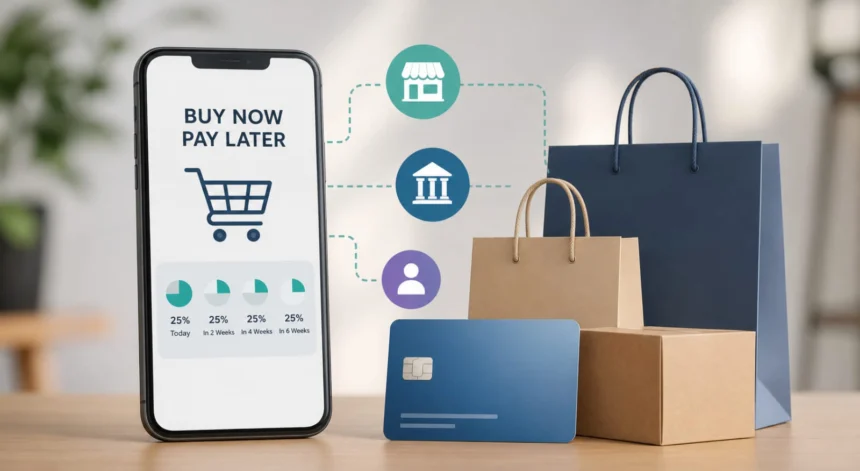
At its core, BNPL allows consumers to buy products immediately while delaying payments. This service is increasingly popular among younger shoppers who prefer flexibility over traditional credit cards. With BNPL, consumers can split their purchases into manageable installments, often without interest if paid on time.
But this convenience comes with a cost, primarily borne by merchants. When a customer chooses BNPL at checkout, the retailer receives the full purchase amount upfront, while the BNPL provider takes on the credit risk. This means merchants are willing to pay a fee for the service, which can sharply impact their profit margins.
The Economics of BNPL
The merchant fees for BNPL services typically range from 2% to 8% of the transaction value. This fee is a critical revenue stream for BNPL platforms. For example, if a customer buys a $100 item through a BNPL service with a 5% fee, the merchant pays $5 to the BNPL provider. This model incentivizes merchants to offer BNPL as it can increase conversion rates and average order values.
Because of these fees, BNPL can be a win win for retailers and consumers. Retailers see increased sales, while consumers enjoy flexible payment options. But there’s a catch: as more players enter the BNPL market, competition drives fees lower, which could squeeze profit margins for providers.
Klarna and Affirm: Business Models in Focus
Klarna, one of the largest BNPL providers, generated $1.3 billion in revenue in 2022. The company offers a range of services, from traditional BNPL to more complex financing options. Klarna’s model is built around creating a clean shopping experience, often integrating with e commerce platforms to sharpen visibility.
Affirm, on the other hand, reported a 31% increase in active users in Q2 2023, reaching 17 million. Affirm’s strategy focuses on transparency, providing consumers with clear terms and no hidden fees. Their model has attracted a loyal user base, but like Klarna, they face increasing regulatory scrutiny as the BNPL industry evolves.
Credit Risk and Default Rates
One of the most significant challenges BNPL providers face is credit risk. Unlike traditional credit models, BNPL services often require less stringent credit checks, allowing a broader range of consumers to access financing. But this can lead to higher default rates. Some estimates suggest default rates could be around 10% for certain providers.
This raises questions about the sustainability of the BNPL model. If consumers struggle to make payments, it could lead to increased financial strain on both the provider and the consumer. And as regulatory bodies look closer at BNPL practices, providers will need to adjust their risk assessment methods to stay compliant.
New Regulations on the Horizon
Regulatory frameworks for BNPL are evolving. New regulations set to be implemented in 2026 aim to improve consumer protections and address concerns about over indebtedness. These rules could require BNPL providers to conduct more thorough credit assessments and provide clearer information about terms and conditions.
As regulators tighten the screws, BNPL providers will need to adapt their business models. This could mean higher costs for consumers or reduced accessibility for those with lower credit scores. The balance between profitability and consumer protection will be a significant focus for the industry from here.
Frequently Asked Questions (FAQs)
What is Buy Now Pay Later and how does it work?
Buy Now Pay Later, or BNPL, allows consumers to make purchases immediately while delaying payments, splitting costs into manageable installments. This service is especially popular among younger shoppers who prefer flexibility over traditional credit cards.
How do companies like Klarna and Affirm make money with BNPL?
Companies like Klarna and Affirm typically charge merchants a fee for each transaction, which ranges from 2% to 8%. This fee structure allows them to generate significant revenue, as seen with Klarna’s $1.3 billion in revenue in 2022.
What are the risks associated with BNPL services?
BNPL services face credit risk assessments that can lead to higher default rates, estimated at around 10% in some cases. This poses a financial risk not only to the providers but also to consumers who may struggle with repayments.
What regulations are being implemented for BNPL platforms?
New regulations for BNPL platforms are set to be implemented in 2026, focusing on consumer protections. These regulations aim to address the growing concerns about the risks associated with BNPL services.
The TCB View
We see BNPL as a growing trend that’s here to stay, especially with Klarna’s $1.3 billion revenue in 2022. But the increasing credit risk and impending regulations pose significant challenges for providers.
As the market evolves, companies that can navigate these risks will emerge victorious, while others may struggle to survive. Watch for new regulatory updates in 2026 that could reshape how BNPL services operate.