
Last updated: 21 July 2026
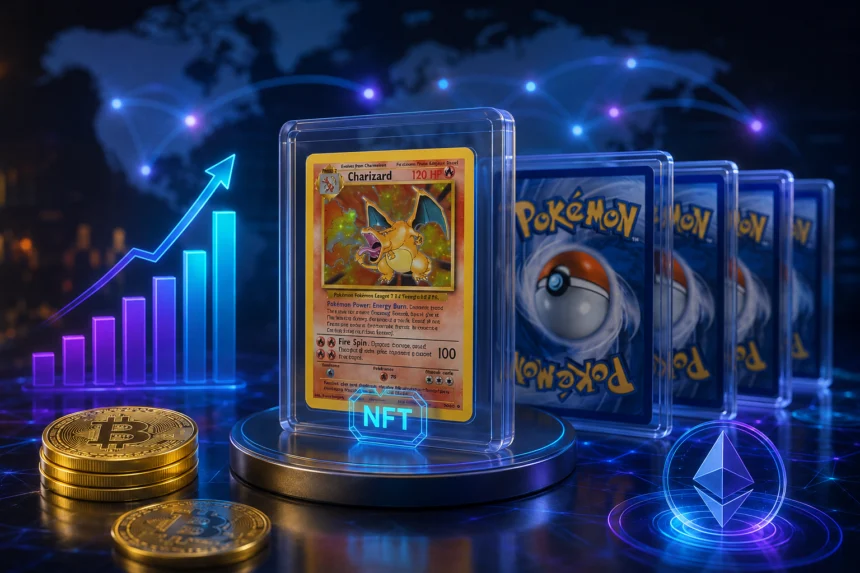
The wider crypto market saw an infusion of $23.5 million over a single 24 hour period recently. Data from CoinGecko revealed this capital flowed in, signaling active participation. While much of this liquidity powers traditional digital assets, a significant portion is finding its way into less conventional corners of the Web3 space. Collectible assets like Pokémon cards are experiencing heightened interest on crypto platforms as a direct result.
Key Highlights
- The crypto market recorded an addition of $23.5 million within a recent 24 hour window.
- CoinGecko supplied the figures for this recent market growǰ
- ⁸Pokémon card sales are currently experiencing a surge on various crypto powered platforms.
- Platforms use nonfungible tokens (NFTs) to represent physical or digital cards.
- The community asserts these are valuable collectibles, not mere gambling instruments.
Liquidity Fuels New Digital Collectibles
Fresh capital regularly enters the decentralized finance (DeFi) world, creating opportunities beyond simple coin trading. The $23.5 million noted by CoinGecko in a single day highlights continued investor appetite.
This influx doesn’t just push up the value of major cryptocurrencies; it diversifies where money goes, flowing into a broader array of digital assets and Web3 projects. New participants are discovering novel ways to engage with their wealth. Investors are always looking for returns.
A portion of this capital now gravitates towards unique digital assets, like tokenized physical collectibles. Platforms now allow users to buy, sell, and trade high value items, often fractionalized, using cryptocurrency. This trend introduces traditional assets to a global, always on marketplace, attracting both seasoned crypto enthusiasts and conventional collectors. It’s a new frontier for value. For deeper insights into market stability, check the TCB MINER STRESS SCORE.
Pokémon Cards Find a New Home
Pokémon cards, long a staple of physical collecting, are experiencing a renaissance within crypto spaces. This isn’t just about scanning cards; it involves creating verifiable digital representations, often as nonfungible tokens. These tokens, backed by blockchain technology, provide clear proof of ownership and authenticity, solving problems that plague the physical collectibles market, like counterfeiting. Collectors want security.
The “surge” in sales on these platforms comes from several factors. One is the increased accessibility for international buyers, bypassing traditional auction houses or physical storefronts. Another is the speculative interest from crypto holders looking for alternative assets to park capital, alongside dedicated collectors seeking rare finds. It’s a compelling blend of old and new.
The transparent transaction history on a public ledger adds another layer of trust for buyers. Scarcity drives value.
Selling through crypto platforms also simplifies global transactions, removing currency exchange friction and reducing payment processing times. A seller in Japan can easily connect with a buyer in Germany, allowing trades that might have been complex or costly through traditional means. The speed of settlement is also a major draw; once a transaction completes on chain, it’s done. This appeals to many.
Not Gambling, But Investment
The label “gambling” often gets thrown at any activity involving market volatility and perceived chance, particularly in the crypto realm. Even so, the community engaged in buying and selling Pokémon cards on these platforms vehemently rejects this characterization. They view these transactions as legitimate collecting and investment activities, no different than buying fine art or rare stamps. There’s real asset value. For market data, see the TCB DEFI PULSE.
Collectors and investors cite the established history and cultural significance of Pokémon cards as tangible assets with long standing secondary markets. The prices of rare cards often correlate with their condition, rarity, and historical demand, not random chance. They’re making informed choices. Participants believe they’re acquiring fractional ownership or entire cards that retain value, similar to traditional physical collectibles. This isn’t just about a lucky draw.
Legal distinctions matter here. If classified as gambling, these platforms could face different regulatory oversight, potentially limiting their operations. Advocates argue that the intent is to acquire a verifiable asset, which can be held, displayed, or resold, rather than betting on an outcome. It’s a key distinction. The underlying value of the card dictates its market price, reflecting its worth as a collectible. This changes everything.
Frequently Asked Questions (FAQs)
Why are Pokémon cards popular on crypto platforms?
Pokémon cards are seeing a surge in interest on crypto platforms because fresh capital entering the wider crypto market is diversifying into less conventional Web3 assets. These platforms use NFTs to represent the cards, attracting new participants looking for novel ways to engage with their wealth.
What are NFTs and how do they relate to Pokémon cards?
NFTs, or nonfungible tokens, are unique digital assets used by crypto platforms to represent either physical or digital Pokémon cards. This allows for ownership and trading of these collectibles within the Web3 ecosystem.
Is buying Pokémon cards on crypto platforms considered gambling?
The community behind these platforms strongly asserts that Pokémon cards are valuable collectibles, not instruments for gambling. They are seen as a form of digital asset and Web3 project, distinct from mere speculative betting.
How much money recently flowed into the crypto market?
The crypto market recently saw an infusion of $23.5 million over a single 24 hour period, according to data from CoinGecko. This capital flow indicates active participation and investor appetite in the decentralized finance world.
The TCB View
Our read: The recent $23.5 million crypto market injection confirms a strong desire for alternative asset classes, and Pokémon cards on blockchain platforms illustrate this trend perfectly. This isn’t just speculation; it’s a melding of cultural touchstones with latest technology.
The risk lies in regulatory bodies misunderstanding the true nature of digital collecting, potentially stifling innovation. The opportunity rests in unlocking new global markets for unique physical and digital assets, broadening investment horizons for everyone. The signal to track: How many established brands follow Pokémon into tokenized collectibles.