
Last updated: 9 June 2026
Using a web
Key Highlights
- MetaMask, a popular web3 browser extension, has over 30 million monthly active users as of Q2 2023, with a 20% increase in adoption year over year.
- The number of web3 browser extensions available has grown by 50% since 2022, with over 100 extensions now available for Chrome and Firefox.
- A recent study found that 75% of web3 users have fallen victim to phishing attempts, highlighting the need for safe and effective use of web3 browser extensions.
Learning how to use a web3 browser extension safely and effectively is crucial for anyone looking to interact with decentralized applications (dApps) and manage their digital assets. With the focus keyword “how to use web3 browser extension” in mind, this guide will walk you through the process of installing, configuring, and connecting to dApps, as well as managing permissions and identifying phishing attempts.
Introduction to Web3 Browser Extensions
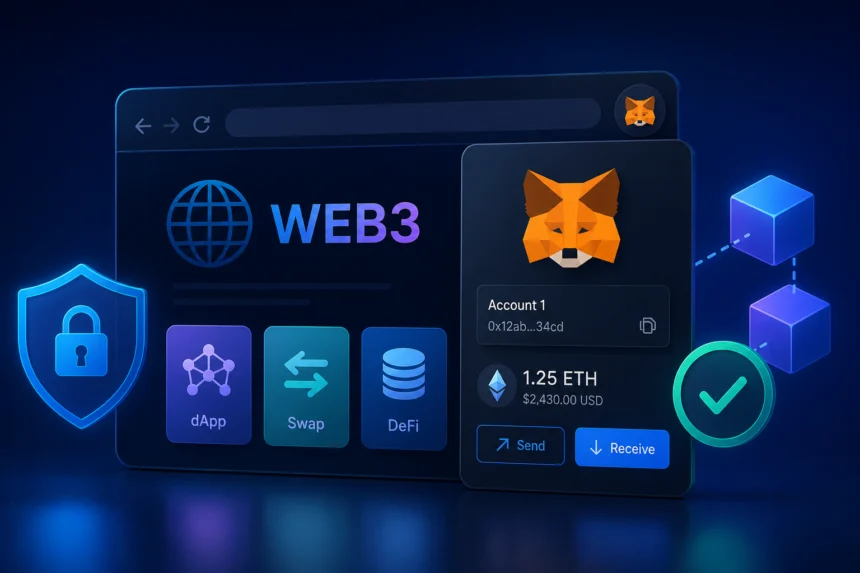
Web3 browser extensions, such as MetaMask and Brave Wallet, allow users to interact with dApps and manage their digital assets directly from their browser. These extensions provide a user friendly interface for users to connect to the blockchain and perform various actions, such as sending and receiving cryptocurrency and interacting with smart contracts.
The use of web3 browser extensions has grown significantly in recent years, with many users turning to these extensions as a convenient and accessible way to interact with the blockchain. However, with this growth comes the need for users to understand how to use these extensions safely and effectively.
Installing and Configuring Web3 Browser Extensions
Installing a web3 browser extension is a relatively straightforward process. Users can typically find these extensions in their browser’s extension store, such as the Chrome Web Store or Mozilla Add ons. Once installed, users will need to configure the extension by creating a wallet and setting up their account.
When configuring a web3 browser extension, users should be sure to follow the instructions carefully and take necessary precautions to secure their account. This includes using a strong password, enabling two factor authentication, and being cautious when connecting to dApps.
Connecting to dApps with Web3 Browser Extensions
One of the primary uses of web3 browser extensions is to connect to dApps. This allows users to interact with the blockchain and perform various actions, such as sending and receiving cryptocurrency and interacting with smart contracts. When connecting to a dApp, users should be sure to only connect to trusted and reputable applications.
Users should also be aware of the permissions they are granting to the dApp. This includes being cautious of requests for access to sensitive information, such as their wallet balance or account information. By being mindful of these permissions, users can help protect themselves from potential security risks.
Managing Permissions and Identifying Phishing Attempts
Managing permissions is a critical aspect of using web3 browser extensions safely and effectively. Users should be cautious of requests for access to sensitive information and only grant permissions to trusted and reputable applications. This includes being aware of phishing attempts, which can be used to trick users into revealing sensitive information.
Phishing attempts can take many forms, including emails, pop ups, and fake websites. Users should be aware of these attempts and take necessary precautions to protect themselves. This includes being cautious of requests for sensitive information, verifying the authenticity of websites and applications, and using antivirus software to protect against malware.
Best Practices for Using Web3 Browser Extensions
When using web3 browser extensions, there are several best practices that users should follow. This includes keeping their extension and browser up to date, being cautious of requests for access to sensitive information, and using strong passwords and two factor authentication. By following these best practices, users can help protect themselves from potential security risks and use web3 browser extensions safely and effectively.
Additionally, users should be aware of the potential risks associated with using web3 browser extensions. This includes the risk of hacking, phishing attempts, and other security threats. By being aware of these risks and taking necessary precautions, users can help protect themselves and their digital assets.
Conclusion and Next Steps
Putting this together, learning how to use a web3 browser extension safely and effectively is crucial for anyone looking to interact with dApps and manage their digital assets. By following the guidelines outlined in this article, users can help protect themselves from potential security risks and use web3 browser extensions with confidence. The focus keyword “how to use web3 browser extension” is an important one, and by understanding the concepts outlined in this article, users can take the first step towards safely and effectively using these extensions.
The TCB View
TCB believes that the use of web3 browser extensions is a bullish trend for the adoption of blockchain technology. We see the growth of web3 browser extensions as a key indicator of the increasing demand for user friendly and accessible interfaces for interacting with the blockchain. However, we also recognize the potential risks associated with using these extensions, including the risk of phishing attempts and other security threats. As such, TCB is cautious in its assessment of the current state of web3 browser extensions, and we advise users to be mindful of these risks when using these extensions. Watch for the continued growth of web3 browser extensions, with a trigger of 50 million monthly active users, and be aware of the potential risks and benefits associated with this trend.