Last updated: 9 June 2026
With over 30 million people estimated to join the web3 space by Q2 2024, setting up a web3 wallet has become a crucial step for beginners. As of January 2024, there are already 2 million new users, and this number is expected to grow rapidly. In the last 6 months, the number of web3 wallet downloads has climbed by 50%, with users aged 20-40 being the most active. It’s clear that the web3 space is gaining traction, and having a reliable wallet is essential. Major players like MetaMask are leading the charge, making it easier for new users to get started.
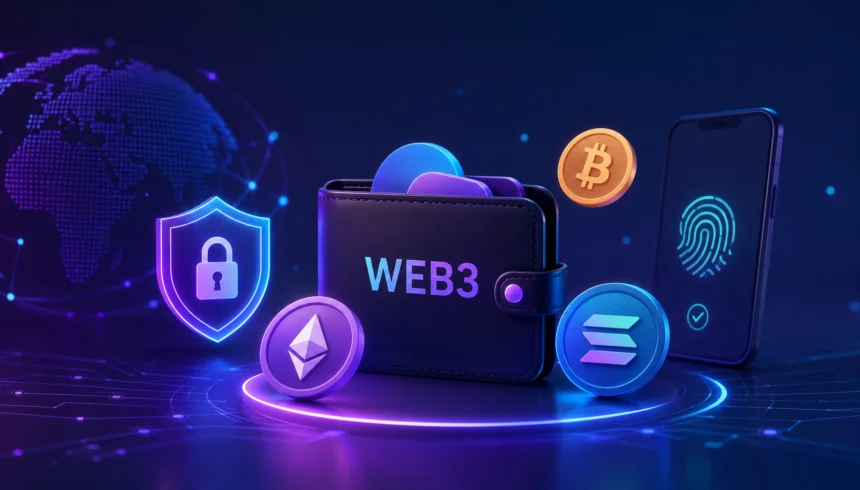
For those who don’t know, a web3 wallet is a digital wallet that allows users to store, send, and receive cryptocurrency and other digital assets. There are many types of wallets available, including browser extensions, mobile apps, and hardware wallets. When choosing a wallet, it’s essential to consider factors such as security, usability, and compatibility. Popular wallets like Phantom and Keplr offer an user-friendly interface and support multiple blockchain networks, including Solana and Cosmos.
One of the most critical aspects of setting up a web3 wallet is security. With the rise of cryptocurrency, hackers have become more sophisticated, and wallet security is a top priority. Hardware wallets like Ledger and Trezor offer an additional layer of security, as they store private keys offline and require a physical connection to access the wallet. This adds an extra layer of protection against phishing attacks and other types of online threats. Ethereum, one of the most popular blockchain networks, is supported by many web3 wallets, making it easy to manage Ethereum based assets.
As the web3 space continues to evolve, it’s essential to stay informed and adapt to new developments. With the help of web3 wallets, users can interact with decentralized applications, participate in DeFi protocols, and manage their digital assets with ease. Whether you’re a seasoned user or a beginner, setting up a web3 wallet is a straightforward process that can be completed in a few steps.
Key Highlights
- Over 30 million people are expected to join the web3 space by Q2 2024, with 2 million new users already on board as of January 2024.
- The number of web3 wallet downloads has increased by 50% in the last 6 months, with users aged 20-40 being the most active.
- Popular web3 wallets like MetaMask, Phantom, and Keplr support multiple blockchain networks, including Solana, Cosmos, and Ethereum.
- Hardware wallets like Ledger and Trezor offer an additional layer of security, as they store private keys offline and require a physical connection to access the wallet.
- The web3 space is expected to continue growing, with new users and developers joining the community every day.
Getting Started with Web3 Wallets
To set up a web3 wallet, you’ll need to choose a wallet type that suits your needs. Browser extensions like MetaMask are a popular choice, as they’re easy to use and support multiple blockchain networks. Mobile apps like Phantom and Keplr offer an user friendly interface and support features like biometric authentication and password protection. When choosing a wallet, consider factors such as security, usability, and compatibility.
Once you’ve chosen a wallet, you’ll need to download and install it. This process typically involves creating an account, setting up a password, and generating a recovery phrase. The recovery phrase is used to restore your wallet in case you lose access to your device or forget your password. It’s essential to store your recovery phrase in a safe place, as it’s the only way to recover your wallet.
When setting up your wallet, you’ll also need to fund it with cryptocurrency. This can be done by purchasing cryptocurrency from an exchange or receiving it from another user. Once your wallet is funded, you can start interacting with decentralized applications and participating in DeFi protocols. It’s essential to remember that web3 wallets aren’t FDIC insured, and there’s a risk of losing your assets if you’re not careful.
Security Considerations
Security is a top priority when it comes to web3 wallets. With the rise of cryptocurrency, hackers have become more sophisticated, and wallet security is a critical aspect of protecting your assets. Hardware wallets like Ledger and Trezor offer an additional layer of security, as they store private keys offline and require a physical connection to access the wallet. This adds an extra layer of protection against phishing attacks and other types of online threats.
When using a web3 wallet, it’s essential to be cautious when interacting with online applications. Phishing attacks are common, and hackers often use fake websites or email scams to steal user credentials. To protect yourself, always use two factor authentication, and never click on suspicious links or download attachments from unknown sources. It’s also essential to keep your wallet software up to date, as updates often include security patches and new features.
In addition to using a hardware wallet, there are other security measures you can take to protect your assets. Using a password manager, enabling two factor authentication, and monitoring your account activity can help prevent unauthorized access to your wallet. It’s also essential to understand the risks associated with web3 wallets, including the risk of losing your assets if you’re not careful.
Choosing the Right Wallet
With so many web3 wallets available, choosing the right one can be overwhelming. To make the process easier, consider factors such as security, usability, and compatibility. If you’re new to the web3 space, an user friendly wallet like MetaMask or Phantom may be a good choice. These wallets support multiple blockchain networks, including Solana, Cosmos, and Ethereum, making it easy to interact with decentralized applications.
For more advanced users, a hardware wallet like Ledger or Trezor may be a better option. These wallets offer an additional layer of security, as they store private keys offline and require a physical connection to access the wallet. This adds an extra layer of protection against phishing attacks and other types of online threats. When choosing a wallet, it’s essential to consider your specific needs and goals.
Ultimately, the right wallet for you will depend on your individual needs and preferences. By considering factors such as security, usability, and compatibility, you can choose a wallet that meets your requirements and helps you navigate the web3 space with confidence. Whether you’re a seasoned user or a beginner, there’s a web3 wallet out there that’s right for you.
The TCB View
Our read: the web3 space is growing rapidly, with over 30 million people expected to join by Q2 2024. With this growth, the demand for web3 wallets will increase, and users will need to be more vigilant about security. One concrete risk is the risk of losing assets due to phishing attacks or other types of online threats.
On the other hand, there’s a concrete opportunity for users to participate in DeFi protocols and interact with decentralized applications, which can provide new revenue streams and investment opportunities. The signal to track: the number of web3 wallet downloads, which has risen by 50% in the last 6 months, indicating a growing interest in the web3 space. As the space continues to evolve, it’s essential to stay informed and adapt to new developments to stay ahead of the curve.