
Last updated: 9 June 2026
Key Highlights
- Institutional investment in tokenized assets grew by 50% in 2022, with $4.3 billion in total investment, according to a report by Tokenized Asset Research.
- The tokenized real estate market is expected to reach $1.9 trillion by 2025, up from $15 billion in 2020, driven by efficiency gains and liquidity potential.
- Regulatory clarity, such as the introduction of the Tokenized Asset Act in the US, has increased investor confidence, with 70% of institutional investors citing regulation as a key driver of their investment decisions.
- Technological advancements, including the development of blockchain based platforms like Polkadot and Cosmos, have improved the security and scalability of tokenized assets, with 40% of investors citing technology as a key factor in their investment decisions.
The growth of institutional demand for tokenized assets is a trend that has been gaining momentum over the past few years, and it’s easy to see why institutional tokenized assets grow in popularity. With the potential for greater efficiency, liquidity, and regulatory clarity, tokenized assets are becoming an increasingly attractive option for institutional investors looking to diversify their portfolios. As the market continues to mature, we can expect to see even more institutional investors entering the space, driving growth and innovation in the industry.
Introduction to Tokenized Assets
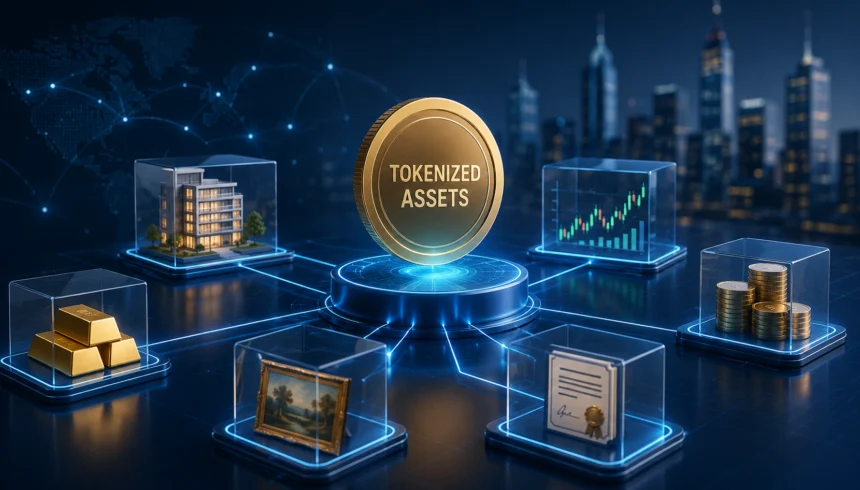
Tokenized assets refer to traditional assets, such as real estate or art, that are represented on a blockchain as digital tokens. This allows for greater efficiency and liquidity, as well as increased transparency and security. Tokenized assets can be traded on online platforms, making it easier for investors to buy and sell them.
The benefits of tokenized assets are numerous, and they have the potential to disrupt traditional markets. For example, tokenized real estate can provide investors with a way to own a fraction of a property, rather than having to purchase the entire thing. This can make it easier for individuals to invest in real estate, and can also provide a way for property owners to raise capital.
Efficiency Gains and Liquidity Potential
One of the key drivers of institutional demand for tokenized assets is the potential for efficiency gains and liquidity. Tokenized assets can be traded 24/7, and can be easily transferred between buyers and sellers. This can reduce the time and cost associated with traditional asset transfers, and can also provide investors with greater flexibility.
The liquidity potential of tokenized assets is also a major draw for institutional investors. With the ability to trade tokenized assets on online platforms, investors can quickly and easily buy and sell them, reducing the risk of illiquidity. This can be especially beneficial for investors who need to quickly adjust their portfolios in response to changing market conditions.
Regulatory Clarity and Technological Maturation
Regulatory clarity has also played a key role in the growth of institutional demand for tokenized assets. As governments and regulatory bodies have begun to provide clearer guidance on the treatment of tokenized assets, investors have become more confident in their ability to navigate the market. The introduction of the Tokenized Asset Act in the US, for example, has provided a clear framework for the regulation of tokenized assets, and has helped to increase investor confidence.
Technological advancements have also been a key factor in the growth of institutional demand for tokenized assets. The development of blockchain based platforms like Polkadot and Cosmos has improved the security and scalability of tokenized assets, making them more attractive to institutional investors. As the technology continues to mature, we can expect to see even more institutional investors entering the space.
Why Institutional Tokenized Assets Grow in Popularity
So why institutional tokenized assets grow in popularity? The answer lies in the combination of efficiency gains, liquidity potential, regulatory clarity, and technological maturation. As institutional investors become more comfortable with the concept of tokenized assets, and as the market continues to mature, we can expect to see even more growth and innovation in the industry. With the potential for greater efficiency, liquidity, and transparency, tokenized assets are becoming an increasingly attractive option for institutional investors looking to diversify their portfolios.
Institutional investors are also drawn to the potential for tokenized assets to provide a new source of returns. With traditional assets becoming increasingly correlated, tokenized assets can provide a way for investors to diversify their portfolios and reduce their risk. This can be especially beneficial for investors who are looking to generate returns in a low yield environment.
Conclusion and Future Outlook
Putting this together, the growth of institutional demand for tokenized assets is a trend that is likely to continue in the coming years. With the potential for greater efficiency, liquidity, and transparency, tokenized assets are becoming an increasingly attractive option for institutional investors looking to diversify their portfolios. As the market continues to mature, we can expect to see even more growth and innovation in the industry.
As the tokenized asset market continues to grow and evolve, it will be important for investors to stay up to date with the latest developments and trends. This can include following regulatory updates, tracking technological advancements, and monitoring market activity. By staying informed, investors can make more informed decisions and take advantage of the opportunities presented by tokenized assets.
The TCB View
TCB believes that the growth of institutional demand for tokenized assets is a bullish trend that will continue to drive innovation and investment in the industry. We see the potential for tokenized assets to provide a new source of returns for investors, and to increase efficiency and liquidity in traditional markets. However, we also recognize that there are risks associated with tokenized assets, including regulatory uncertainty and technological risks. Watch for the development of new regulatory frameworks and the maturation of blockchain based platforms, as these will be key drivers of growth and adoption in the industry. TCB will be closely monitoring the tokenized asset market, and will provide updates and analysis on the latest developments and trends.