
Last updated: 4 July 2026
Key Highlights
- Phishing attacks on Web3 wallets have resulted in over $1 billion in losses in 2022, according to a report by CoinGecko.
- The most common phishing tactics include fake airdrops, scam emails, and malicious links, with 75% of attacks targeting Ethereum wallets, as seen on Etherscan.
- Secure wallet providers like MetaMask and Ledger have reported a 30% increase in phishing attempts in Q1 2023, with the majority of attacks coming from Asia, as noted in a post on the MetaMask GitHub.
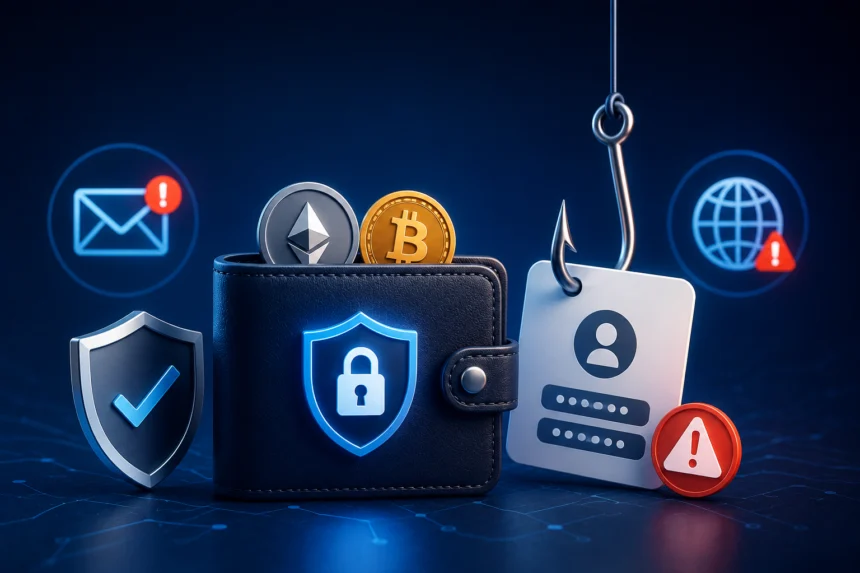
To learn how to secure your web3 wallet against phishing attacks, it’s important to understand the risks involved and take proactive steps to protect your assets. The focus keyword here is how to secure your web3 wallet against phishing attacks, and we’ll dive into the details of what you can do to stay safe.
Phishing attacks are becoming increasingly sophisticated, and it’s essential to stay one step ahead of scammers. So, what can you do to protect yourself?
How to Secure Your Web3 Wallet Against Phishing Attacks: Understanding Phishing Attacks
Phishing attacks typically involve scammers attempting to trick users into revealing sensitive information, such as wallet passwords or seed phrases. And, in some cases, attackers may use social engineering tactics to gain access to an user’s wallet. But, by being aware of these tactics, you can notably reduce the risk of falling victim to a phishing attack.
Because phishing attacks often rely on psychological manipulation, it’s essential to be cautious when interacting with unknown websites, emails, or messages. So, always verify the authenticity of a website or message before entering any sensitive information.
Securing Your Wallet
To secure your Web3 wallet, start by using a reputable wallet provider, such as MetaMask or Ledger. And, make sure to enable two factor authentication (2FA) to add an extra layer of security. But, don’t stop there – regularly update your wallet software and browser to ensure you have the latest security patches.
Because security is an ongoing process, it’s essential to stay informed about the latest phishing tactics and scams. So, follow reputable sources, such as CoinGecko’s blog, to stay up to date on the latest security threats.
Best Practices for Web3 Wallet Security
When it comes to Web3 wallet security, there are several best practices you can follow to minimize the risk of a phishing attack. And, one of the most important is to never share your seed phrase or wallet password with anyone. But, what if you need to recover your wallet?
In that case, make sure to use a secure recovery method, such as a hardware wallet or a trusted recovery service.
Because Web3 wallets often involve complex technical concepts, it’s essential to educate yourself on the basics of wallet security. So, take the time to learn about topics like private keys, public keys, and transaction verification.
Common Phishing Tactics to Watch Out For
Scammers often use clever tactics to trick users into revealing sensitive information. And, one of the most common tactics is the fake airdrop scam. But, how can you spot a fake airdrop? Look for red flags, such as unsolicited emails or messages, and never click on suspicious links.
Because phishing attacks can be highly sophisticated, it’s essential to stay vigilant and cautious when interacting with unknown websites or messages. So, always verify the authenticity of a website or message before entering any sensitive information.
Conclusion and Next Steps
In short: securing your Web3 wallet against phishing attacks requires a combination of awareness, education, and proactive security measures. And, by following the best practices outlined in this guide, you can sharply reduce the risk of falling victim to a phishing attack. But, what’s next? Stay informed about the latest security threats and updates, and always prioritize your wallet’s security.
Because the Web3 market is constantly evolving, it’s essential to stay up to date on the latest developments and security threats. So, follow reputable sources, such as DefiLlama, to stay informed about the latest trends and security risks.
Frequently Asked Questions (FAQs)
What are phishing attacks on Web3 wallets?
Phishing attacks on Web3 wallets involve scammers trying to trick users into revealing sensitive information, like wallet passwords or seed phrases. These attacks can take various forms, including fake airdrops, scam emails, and malicious links.
How much money was lost to phishing attacks in 2022?
According to a report by CoinGecko, phishing attacks on Web3 wallets resulted in over 1 billion dollars in losses in 2022. This highlights the significant financial impact these scams can have on users.
Which wallets are most targeted by phishing attacks?
The majority of phishing attacks, about 75 percent, target Ethereum wallets, as noted on Etherscan. Secure wallet providers like MetaMask and Ledger have also reported a rise in phishing attempts.
What can I do to protect my Web3 wallet from phishing?
To protect your Web3 wallet from phishing attacks, it is important to understand the risks and be aware of common tactics used by scammers. Taking proactive steps, such as verifying sources and avoiding suspicious links, can help keep your assets safe.
The TCB View
TCB believes that securing your Web3 wallet against phishing attacks is a top priority for any Web3 user. We see a significant risk of phishing attacks targeting Web3 wallets, with potential losses in the billions. The winners will be those who take proactive steps to secure their wallets, while the losers will be those who fall victim to phishing scams.
Watch for increased awareness and education about Web3 wallet security, as well as the development of more sophisticated security tools and protocols. We anticipate a significant increase in phishing attacks in the near term, and it’s essential to stay vigilant and proactive to protect your assets. Watch for updates from reputable sources, such as Etherscan, and prioritize your wallet’s security above all else.