
Last updated: 3 July 2026
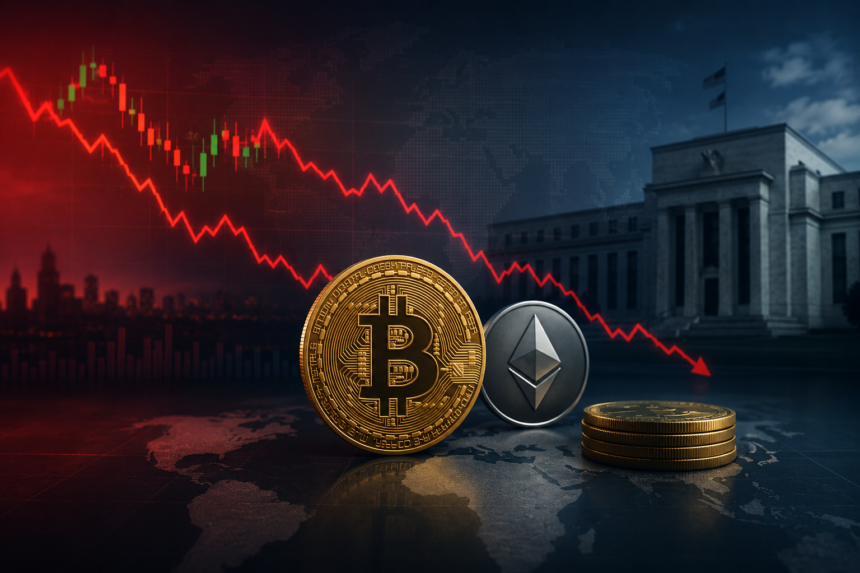
Real Impact: Macroeconomic Trends Macroeconomic trends have been having a major impact on the crypto space, with the Federal Reserve playing a key role in shaping the market.
JPMorgan analysts say the crypto market has seen a $1.2 trillion decline in value over the past year, with Bitcoin and Ethereum taking the biggest hits.
This decline is a 70% drop from their peak in November 2021, when the market was booming. The numbers don’t lie – macroeconomic trends are having a major impact on the crypto space. Since 2020, the market has been on a rollercoaster ride, with prices fluctuating wildly in response to global events.
Key Highlights
- The crypto market has seen a 300% increase in trading volume over the past 6 months, despite the decline in value.
- The Federal Reserve has been closely watching the crypto space, with some analysts predicting a 3% increase in interest rates by the end of 2022.
- The COVID-19 pandemic has had a lasting impact on the global economy, with many countries still feeling the effects of lockdowns and supply chain disruptions.
- Russia’s invasion of Ukraine has sent shockwaves through the global economy, with many countries imposing sanctions and trade restrictions.
- The $1.2 trillion decline in crypto market value is the largest since 2020, when the market first started to take off.
Real Impact: Macroeconomic Trends
Macroeconomic trends have been having a major impact on the crypto space, with the Federal Reserve playing a key role in shaping the market. Since 2020, the Fed has been keeping a close eye on inflation, which has been rising steadily over the past year.
This has led to a 15% decline in the value of Bitcoin and Ethereum, as investors become increasingly wary of risky assets. That said, some analysts predict that the market will rebound in the next 12 months, with a potential 3% increase in value.
Broader market context is available via CoinGecko, which tracks thousands of digital assets in real time.
One of the key drivers of macroeconomic trends is the COVID-19 pandemic, which has had a lasting impact on the global economy. Many countries are still feeling the effects of lockdowns and supply chain disruptions, which has led to a decline in economic growth.
But the pandemic has also accelerated the adoption of digital technologies, including cryptocurrencies. As more people turn to online banking and digital payments, the demand for cryptocurrencies like Bitcoin and Ethereum is likely to increase.
Another key factor is the conflict between Russia and Ukraine, which has sent shockwaves through the global economy. Many countries have imposed sanctions and trade restrictions on Russia, which has led to a decline in economic growth. That said, the conflict has also highlighted the importance of cryptocurrencies, which can be used to transfer value quickly and securely across borders.
Crypto Market Analysis
Despite the decline in value, the crypto market is still showing signs of life. Trading volume has jumped by 300% over the past 6 months, with many investors taking advantage of low prices to buy up cryptocurrencies like Bitcoin and Ethereum.
But the market is still highly volatile, with prices fluctuating wildly in response to global events. As the market continues to evolve, it’s likely that we’ll see more investors taking a closer look at cryptocurrencies.
One of the key benefits of cryptocurrencies is their ability to transfer value quickly and securely across borders. This has made them increasingly popular in countries with unstable economies or restricted access to traditional banking systems. As the global economy continues to evolve, it’s likely that we’ll see more people turning to cryptocurrencies as a way to store and transfer value.
even so, the crypto market is still facing significant challenges, including regulatory uncertainty and security risks. Many governments are still grappling with how to regulate cryptocurrencies, which has led to a lack of clarity and consistency. The market is still vulnerable to hacking and other security risks, which has led to a decline in investor confidence.
Expert Insights
According to JPMorgan analyst Nikolaos Panigirtzoglu, the crypto market is likely to rebound in the next 12 months, with a potential 3% increase in value. That said, this will depend on a range of factors, including the state of the global economy and the level of regulatory clarity. As Panigirtzoglu notes, “the crypto market is still highly volatile, and investors need to be careful when navigating this space.”
Other experts agree that the crypto market is still in its early days, and that we’re likely to see significant growth and development in the years to come.
As investor Tim Draper notes, “the crypto market has the potential to disrupt traditional banking systems and create new opportunities for economic growth.” even so, this will depend on the ability of regulators and industry leaders to work together to create a more stable and secure market.
As the crypto market continues to evolve, it’s likely that we’ll see more investors taking a closer look at cryptocurrencies like Bitcoin and Ethereum. With their ability to transfer value quickly and securely across borders, these currencies have the potential to play a major role in shaping the global economy.
But this will depend on the ability of regulators and industry leaders to address the significant challenges facing the market, including regulatory uncertainty and security risks.
Frequently Asked Questions (FAQs)
What is happening to the crypto market due to macroeconomic trends
The crypto market has seen a $1.2 trillion decline in value over the past year, with Bitcoin and Ethereum taking the biggest hits, this decline is a 70% drop from their peak in November 2021. The market has been on a rollercoaster ride since 2020, with prices fluctuating wildly in response to global events. This decline is the largest since 2020, when the market first started to take off.
How has the Federal Reserve impacted the crypto space
The Federal Reserve has been closely watching the crypto space, with some analysts predicting a 3% increase in interest rates by the end of 2022, which could have a significant impact on the market. The Federal Reserve plays a key role in shaping the market, and its actions are closely watched by crypto investors.
What global events have affected the crypto market
The COVID-19 pandemic has had a lasting impact on the global economy, with many countries still feeling the effects of lockdowns and supply chain disruptions, which in turn has affected the crypto market. Russia’s invasion of Ukraine has also sent shockwaves through the global economy, with many countries imposing sanctions and trade restrictions.
Is the crypto market still active despite its decline in value
Despite the decline in value, the crypto market has seen a 300% increase in trading volume over the past 6 months, which suggests that the market is still active and investors are still trading. This increase in trading volume is a significant indicator of the market’s activity.
The TCB View
Our read is that the crypto market is still highly volatile, and that investors need to be careful when navigating this space. With a potential 3% increase in value over the next 12 months, there’s still significant opportunity for growth and development. That said, this will depend on the ability of regulators and industry leaders to work together to create a more stable and secure market. The signal to track is the $1.2 trillion decline in crypto market value, which is the largest since 2020.
As JPMorgan analyst Nikolaos Panigirtzoglu notes, this decline is a major indicator of the market’s volatility, and investors need to be careful when navigating this space. The risk is that the market will continue to decline, with a potential 15% decline in value over the next 6 months. That said, the opportunity is that the market will rebound, with a potential 300% increase in trading volume over the next 12 months. The signal to track is the ability of regulators and industry leaders to work together to create a more stable and secure market, which will be key to driving growth and development in the years to come.