
Last updated: 3 July 2026
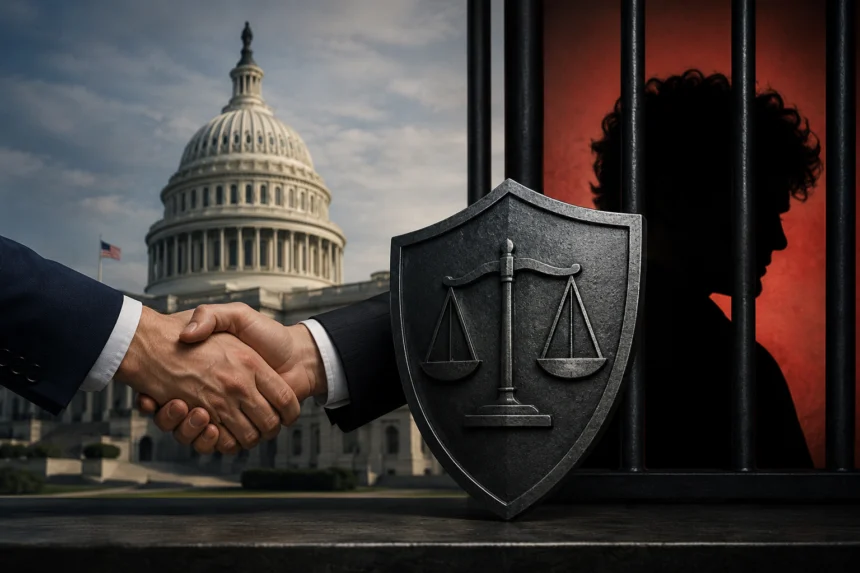
Senators introduce: A bipartisan group of senators has introduced a resolution opposing any potential pardon for convicted FTX founder Sam Bankman Fried. Led by John Thune (R SD) and Jack Reed (D RI), the legislative measure signals an unified front against clemency for major financial crimes within the digital asset space.
This move comes as Bankman Fried’s legal team continues to challenge his conviction and 25 year prison sentence. Lawmakers want to ensure accountability for those who defraud investors. (via CoinGecko)
Key Highlights
- A bipartisan Senate resolution unequivocally opposes any presidential pardon for Sam Bankman Fried.
- Senators John Thune and Jack Reed push the effort, earning support from six additional lawmakers.
- Bankman Fried was convicted of fraud linked to FTX and Alameda Research, resulting in a 25 year prison term and an $11 billion forfeiture order.
- On June 18, the group sent a letter to President Biden, specifically requesting no clemency, citing the severe impact on victims.
- This proactive congressional action aims to preemptively address circulating rumors of potential clemency for the disgraced crypto mogul.
A Bipartisan Stance on Accountability
Eight senators, representing both sides of the political spectrum, introduced a resolution designed to block any future pardon for Sam Bankman Fried. This legislative action highlights a rare moment of agreement in Washington DC on the need for justice in high profile financial fraud cases. Senators Cynthia Lummis (R WY), Elizabeth Warren (D MA), Bill Hagerty (R TN), Chris Van Hollen (D MD), Mitt Romney (R UT), and Ben Cardin (D MD) joined the resolution as cosponsors. Their collective effort sends a powerful message.
The group also sent a specific letter to President Joe Biden on June 18. This correspondence directly urged the administration to decline any form of clemency for Bankman Fried. It emphasized the sheer gravity of his crimes and the real impact these offenses had on countless victims who lost their savings. Lawmakers cited Bankman Fried’s apparent lack of remorse, reinforcing their belief that justice must be fully served. The message is clear: major financial misconduct will face full legal consequences.
The Conviction and Legal Battle
Sam Bankman Fried was found guilty on multiple charges related to his management of FTX and its associated trading firm, Alameda Research. His criminal actions, including customer fund misappropriation and wire fraud, led to one of the largest financial collapses in the history of digital assets. He received a 25 year prison sentence and was ordered to forfeit a staggering $11 billion, a direct reflection of the immense financial damage he caused. The conviction sent shockwaves across the crypto world.
Bankman Fried’s legal team has already initiated the appeal process, difficult both his conviction and the severity of his sentence. They argue there were legal errors during his trial and that the punishment is excessive. These appeals are currently winding their way through the judicial system. The Senate’s resolution acts as a preemptive measure, a congressional pushback against any perception that political intervention might circumvent the judicial outcome. Rumors of potential clemency, however unsubstantiated, clearly spurred this legislative response from Capitol Hill. This strong stand by lawmakers aims to ensure that the courts’ decisions stand firm.
Signaling Enforcement in the Digital Asset Space
This congressional action carries significant weight for the broader digital asset space. It is an unmistakable signal from Washington that financial malfeasance in the Web3 sector will be met with rigorous enforcement and unwavering accountability. The bipartisan nature of the resolution makes clear an unified governmental position, transcending typical political divides. For an industry often grappling with regulatory uncertainty, this unified front establishes a firm precedent.
The resolution’s introduction effectively broadcasts a deterrent message to any future actors contemplating similar schemes within the burgeoning Web3 and decentralized finance arenas. It aims to restore a measure of trust to markets still recovering from the FTX collapse, which eroded significant investor confidence. This commitment to solid oversight and severe penalties might influence market sentiment, reflecting in metrics like the TCB MINER STRESS SCORE and the overall health of the digital economy. The resolve demonstrated by these lawmakers intends to build a more secure and trustworthy environment for participants, influencing the future development of platforms captured by the TCB DEFI PULSE. Investors need confidence, and accountability helps build it.
Frequently Asked Questions (FAQs)
who is sam bankman fried
Sam Bankman Fried is the convicted founder of the cryptocurrency exchange FTX. He was found guilty of fraud related to FTX and Alameda Research, leading to a 25 year prison sentence and an 11 billion dollar forfeiture order.
why are senators against a sam bankman fried pardon
Senators are opposing a pardon for Sam Bankman Fried to ensure accountability for major financial crimes within the digital asset space. They want to make sure that those who defraud investors face consequences for their actions, especially given the severe impact on victims.
what is a bipartisan resolution
A bipartisan resolution is a legislative measure supported by members from both major political parties. In this case, senators from both the Republican and Democratic parties have come together to oppose a potential pardon for Sam Bankman Fried.
what is clemency in legal terms
In legal terms, clemency refers to an act of mercy or leniency granted by an executive official, like a president, to a convicted person. This can include a pardon, which would forgive the crime and remove any remaining penalties.
The TCB View
Our read: The bipartisan resolution opposing a pardon for Sam Bankman Fried isn’t just about him; it’s a categorical statement on the future of financial crime in Web3. Eight senators uniting on this issue tells us Washington intends to treat crypto fraud as seriously as any other financial malfeasance, signaling severe penalties for future perpetrators. A key risk is that this strong stance might scare away innovation if regulators do not also provide clear, workable frameworks. That said, the opportunity lies in rebuilding investor trust, which could attract institutional capital back into the digital asset space. The signal to track: How the Biden administration responds to this explicit congressional pressure, particularly if the pardon rumors gain any traction.