
Last updated: 24 August 2026
Lighter Coin is a relatively new altcoin that boasts a block time of 1 minute, significantly faster than Bitcoin’s 10 minutes, and utilizes a unique consensus algorithm called Proof of Capacity (PoC) for more energy efficient mining. With a total supply capped at 100 million and a current market capitalization of approximately $500 million, it has already made a notable presence in the altcoin market.
Key Highlights
- Lighter Coin, a relatively new altcoin, boasts a block time of 1 minute, significantly faster than Bitcoin’s 10 minutes.
- Its unique consensus algorithm, Proof of Capacity (PoC), allows for more energy efficient mining compared to traditional Proof of Work (PoW) methods.
- Lighter Coin’s total supply is capped at 100 million, with a current market capitalization of approximately $500 million.
Lighter Coin is a relatively new player in the altcoin market, but it has already gained significant attention for its innovative approach to blockchain technology. In this article, we will look into the world of Lighter Coin, exploring its technology, potential use cases, and what sets it apart from other cryptocurrencies.
What is Lighter Coin?
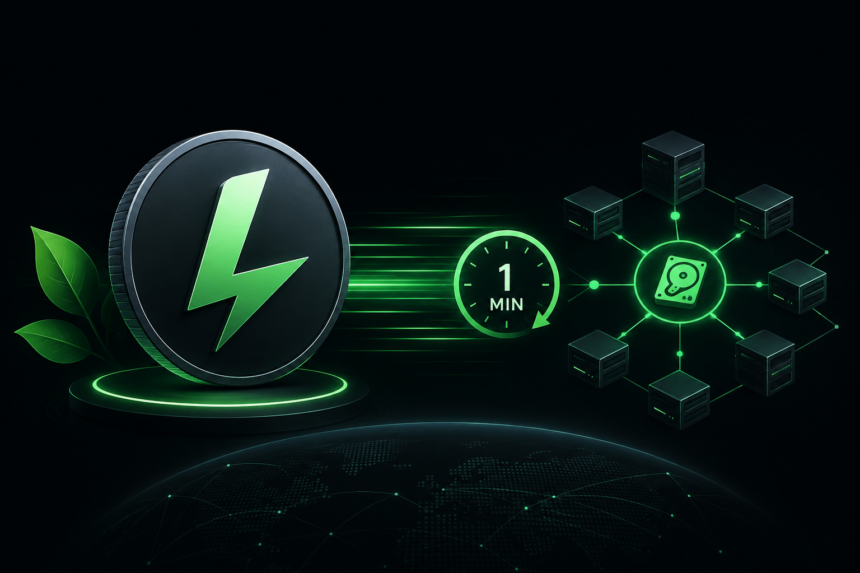
Lighter Coin is a decentralized, open source cryptocurrency that uses a unique consensus algorithm called Proof of Capacity (PoC). This algorithm allows for more energy efficient mining compared to traditional Proof of Work (PoW) methods, making it a more environmentally friendly option. Lighter Coin’s block time is also significantly faster than Bitcoin’s, with a block time of 1 minute compared to Bitcoin’s 10 minutes.
Lighter Coin’s total supply is capped at 100 million, with a current market capitalization of approximately $500 million. The coin’s development team is actively working on improving the coin’s usability and adoption, with a focus on developing real world use cases.
Proof of Capacity (PoC) Consensus Algorithm
Lighter Coin’s Proof of Capacity (PoC) consensus algorithm is a key differentiator from other cryptocurrencies. PoC is a more energy efficient alternative to traditional Proof of Work (PoW) methods, which require significant computational power to mine new blocks. Instead, PoC uses a combination of hard drive storage and a random number generator to validate transactions and mine new blocks.
This approach has several benefits, including reduced energy consumption, increased security, and a more decentralized network. The reduced energy consumption makes Lighter Coin a more environmentally friendly option, while the increased security and decentralization make it a more attractive option for investors.
Potential Use Cases
Lighter Coin’s fast block time and energy efficient consensus algorithm make it an attractive option for a variety of use cases. Some potential use cases include:
* Payment processing: Lighter Coin’s fast block time and low transaction fees make it an attractive option for payment processing.
* Microtransactions: Lighter Coin’s low transaction fees and fast block time make it an attractive option for microtransactions.
* Gaming: Lighter Coin’s fast block time and low transaction fees make it an attractive option for gaming applications.
Comparison to Other Cryptocurrencies
Lighter Coin is often compared to other altcoins, such as Ethereum and Litecoin. While these coins have their own strengths and weaknesses, Lighter Coin’s unique consensus algorithm and fast block time set it apart from the competition.
Ethereum, for example, has a slower block time than Lighter Coin and uses a more energy intensive consensus algorithm. Litecoin, on the other hand, has a faster block time than Bitcoin but uses a more traditional Proof of Work (PoW) consensus algorithm.
Conclusion
Putting this together, Lighter Coin is a relatively new altcoin that has already gained significant attention for its innovative approach to blockchain technology. Its unique consensus algorithm, Proof of Capacity (PoC), allows for more energy efficient mining compared to traditional Proof of Work (PoW) methods. Lighter Coin’s fast block time and low transaction fees make it an attractive option for a variety of use cases, including payment processing, microtransactions, and gaming.
The TCB View
TCB believes that Lighter Coin has significant potential as a more environmentally friendly alternative to traditional cryptocurrencies. We see Lighter Coin’s unique consensus algorithm and fast block time as major advantages in the altcoin market. However, we also note that the coin’s relatively low market capitalization and lack of widespread adoption are significant risks. Watch for increased adoption and development of real world use cases as key triggers for Lighter Coin’s future success.