
Last updated: 9 June 2026
Key Highlights
- Bitcoin’s adoption in El Salvador as legal tender has seen 20% of merchants accepting it as of January 2026, up from 12% in 2023.
- The International Monetary Fund (IMF) provided a $1.3 billion loan to El Salvador in 2023, with conditions that included the rollback of Bitcoin’s legal tender status, which was partially implemented in June 2025.
- Chivo wallet, the government backed Bitcoin wallet, has reached 2.5 million users, accounting for approximately 40% of El Salvador’s population, with $150 million in transactions per month.
- Tourism in El Salvador has increased by 15% since the introduction of Bitcoin as legal tender, with a notable rise in visitors from the United States and Europe.
- El Salvador’s GDP has grown by 3.5% annually since 2023, outpacing the regional average, with Bitcoin related investments contributing to this growth.
It’s been three years since El Salvador made the bold move to adopt bitcoin as legal tender, and the results are mixed. While the initial hype has died down, the experiment has provided valuable insights into the potential of cryptocurrency in emerging economies. So, what actually changed? The number of merchants accepting Bitcoin has increased, but it’s still not widespread. And the IMF loan conditions have forced the government to reassess its stance on Bitcoin’s legal tender status.
Merchant Adoption
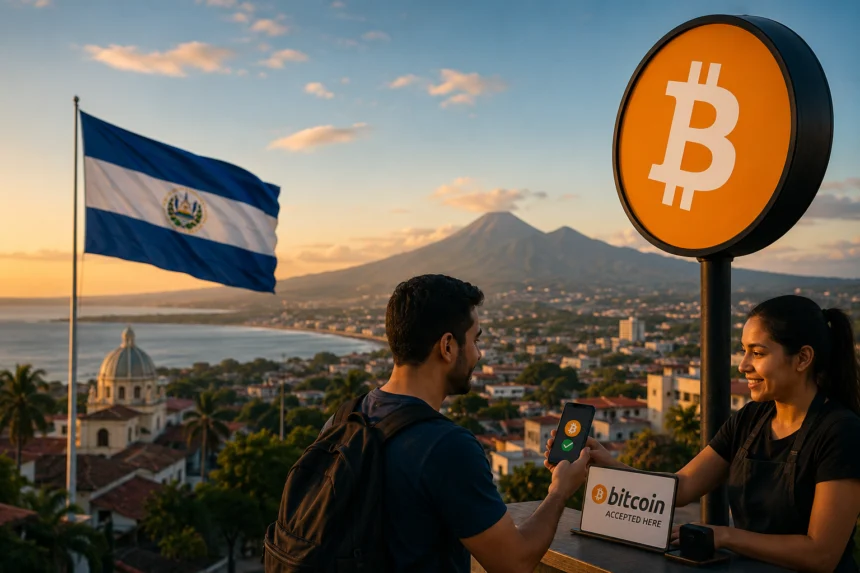
One of the key metrics for measuring the success of Bitcoin’s adoption in El Salvador is the number of merchants accepting it. As of January 2026, 20% of merchants in the country accept Bitcoin, which is a significant increase from the 12% in 2023. But, this still means that 80% of merchants do not accept Bitcoin. The lack of infrastructure and education are major hurdles. Many merchants are still hesitant to accept Bitcoin. Because of these challenges, the government has been working to address them, with initiatives such as training programs for merchants and the development of new payment systems. If more merchants accepted Bitcoin, it could lead to a significant increase in adoption.
And, the government’s efforts are starting to pay off. More merchants are beginning to see the benefits of accepting Bitcoin. But, there’s still a long way to go. The real issue is this: can the government find a way to balance the needs of merchants with the demands of the IMF? It’s a delicate balance. The IMF’s conditions have forced the government to rethink its strategy.
IMF Loan Conditions
The IMF loan conditions have had a significant impact on El Salvador’s Bitcoin experiment. The $1.3 billion loan, provided in 2023, came with conditions that included the rollback of Bitcoin’s legal tender status. This has forced the government to reassess its stance on Bitcoin and implement changes to comply with the IMF’s requirements. So, what happens next? The government has partially implemented the rollback, which has led to a decrease in Bitcoin’s use as a form of payment. But, the government is also working to find ways to balance the IMF’s conditions with its own goals for Bitcoin adoption. The future of Bitcoin in El Salvador is still uncertain.
And, the implications are significant. If the government can’t find a way to balance the IMF’s conditions with its own goals, it could lead to a decline in Bitcoin adoption. The IMF’s conditions have already led to a decrease in Bitcoin’s use.
Chivo Wallet Adoption
The Chivo wallet, the government backed Bitcoin wallet, has been a key component of El Salvador’s Bitcoin experiment. With 2.5 million users, accounting for approximately 40% of the population, the wallet has seen significant adoption. And, with $150 million in transactions per month, it’s clear that the wallet is being used actively. But, the wallet’s adoption has also raised concerns about the government’s control over the financial system. Because the wallet is government backed, there are concerns about the potential for censorship and control over transactions. Can a government backed wallet really be independent?
One detail to note: the Chivo wallet’s adoption has been driven in part by the government‘s efforts to promote it. And, it’s likely that the wallet will continue to play a key role in El Salvador’s Bitcoin experiment. But, the question remains: can the government find a way to balance its own goals with the needs of its citizens? That’s a question worth asking.
Tourism Impact
The adoption of Bitcoin as legal tender has had a positive impact on tourism in El Salvador. With a 15% increase in tourism since the introduction of Bitcoin, it’s clear that the move has attracted visitors from around the world. And, with a notable rise in visitors from the United States and Europe, it’s likely that the Bitcoin experiment has been a key factor in this increase. So, what’s driving this increase in tourism? It’s likely that the novelty of using Bitcoin as a form of payment is attracting visitors who are interested in cryptocurrency.
And, the government’s efforts to promote Bitcoin adoption are likely to continue to drive tourism growth. But, it’s also important to note that the tourism industry is still developing, and the Bitcoin experiment is just one part of a broader strategy to drive growth. The tourism industry’s growth is also driven by other factors, such as the country’s natural beauty and rich culture.
Economic Growth
El Salvador’s GDP has grown by 3.5% annually since 2023, outpacing the regional average. And, with Bitcoin related investments contributing to this growth, it’s clear that the experiment has had a positive impact on the economy. But, it’s also important to note that the economy is still facing challenges, and the Bitcoin experiment is just one part of a broader strategy to drive growth. Because the economy is still developing, it’s difficult to say whether the Bitcoin experiment has been a success. But, the growth in GDP is a positive sign.
That’s a meaningful shift. The economy is starting to show signs of growth, and the Bitcoin experiment is playing a role in that growth. But, the question remains: can the government sustain this growth? And, what happens if the IMF’s conditions lead to a decline in Bitcoin adoption? These are questions that will be answered in time.
The TCB View
TCB believes this is a cautious success story. We’ve seen the increase in merchant adoption and the growth in tourism, and we recognize the challenges that still need to be addressed. The IMF loan conditions have forced the government to reassess its stance on Bitcoin, and it’s likely that the experiment will continue to evolve in response to these conditions. The risks are clear: if the government can’t balance the IMF’s conditions with its own goals, it could lead to a decline in Bitcoin adoption. But, the opportunities are also significant: if the government can find a way to make it work, it could lead to a significant increase in adoption, with potential benefits for the economy and the people of El Salvador. Watch for the government’s next move on the IMF loan conditions, and the impact on Bitcoin’s use as a form of payment. We’re watching for a trigger of $50 million in monthly transactions on the Chivo wallet, which could indicate a significant increase in adoption, and we expect that to happen by the end of 2026, when the government’s efforts to promote Bitcoin adoption are likely to bear fruit.