
Last updated: 3 July 2026
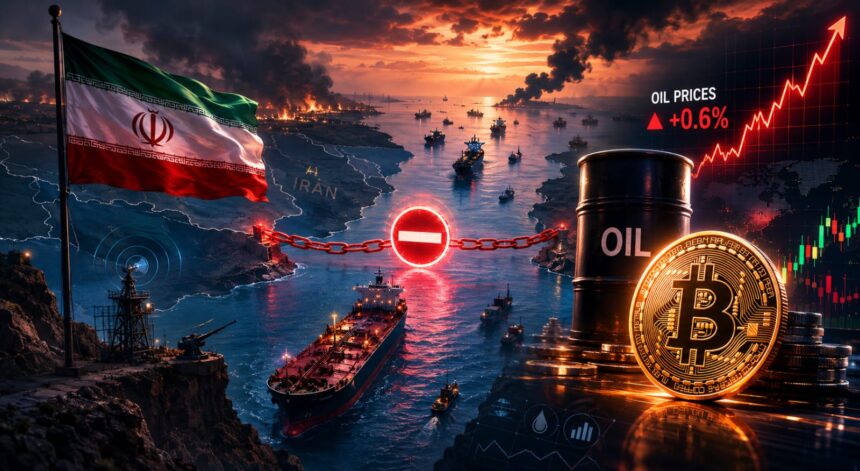
Iran closes is making headlines again. Iran’s move to close the Strait of Hormuz is sending shockwaves through global markets, with 21 million barrels of oil passing through the strait daily, now under threat.
The closure, which occurred on June 20, 2026, is already having a serious impact on the oil market, with prices surging and investors scrambling to respond. As a result, the oil market is seeing significant volatility, with prices rising by 0.6% in a matter of hours, sparking concerns about the potential for further escalation.
It’s a situation that Larry Fink, CEO of BlackRock, is watching closely, given the $18.16 billion in assets under management that are tied to the oil market.
The closure of the Strait of Hormuz is a major escalation of tensions in the region, and it’s having a ripple effect on global markets. Investors are on high alert, with many turning to alternative assets like cryptocurrency as a hedge against uncertainty.
According to data from CoinGecko, the price of bitcoin is holding steady at $7.8700, despite the turmoil in traditional markets. Axel Richter, a leading expert on cryptocurrency, says that this is a sign of the growing maturity of the crypto market.
As the situation continues to unfold, investors are looking for ways to stay ahead of the curve. That’s why many are turning to data providers like CryptoQuant and Alternative.me, which offer real time insights into market trends and sentiment.
With the help of these tools, investors can make more informed decisions and navigate the complex industry of global markets. Larry Fink says that this is a critical moment for investors, and that those who are able to adapt quickly will be best positioned to thrive.
The use of data and analytics is becoming increasingly important in the world of finance, and it’s an area where Chainlink is leading the way. With its emphasis on blockchain based data solutions, Chainlink is helping to create a more transparent and efficient market. Axel Richter says that this is a major development, and one that will have a deep impact on the way that investors approach the market.
Key Highlights
- The closure of the Strait of Hormuz has sent shockwaves through global markets, with 21 million barrels of oil passing through the strait daily now under threat.
- The oil market is seeing significant volatility, with prices rising by 0.6% in a matter of hours, sparking concerns about the potential for further escalation.
- Investors are turning to alternative assets like cryptocurrency as a hedge against uncertainty, with the price of bitcoin holding steady at $7.8700.
- Larry Fink, CEO of BlackRock, is watching the situation closely, given the $18.16 billion in assets under management that are tied to the oil market.
- Axel Richter says that the closure of the Strait of Hormuz is a major escalation of tensions in the region, and one that will have a serious impact on global markets.
Market Impact
The closure of the Strait of Hormuz is having a major impact on global markets, with the price of oil surging and investors scrambling to respond. It’s a situation that’s being watched closely by Larry Fink, who says that the potential for further escalation is high.
According to data from CryptoQuant, the price of bitcoin is holding steady, despite the turmoil in traditional markets. This is a sign that investors are increasingly looking to alternative assets as a hedge against uncertainty.
The use of data and analytics is becoming increasingly important in the world of finance, and it’s an area where Chainlink is leading the way. With its emphasis on blockchain based data solutions, Chainlink is helping to create a more transparent and efficient market.
Axel Richter says that this is a major development, and one that will have a serious impact on the way that investors approach the market. For example, Chainlink’s data solutions can provide real time insights into market trends and sentiment, allowing investors to make more informed decisions.
As the situation continues to unfold, investors are looking for ways to stay ahead of the curve. That’s why many are turning to data providers like CryptoQuant and Alternative.me, which offer real time insights into market trends and sentiment.
With the help of these tools, investors can navigate the complex space of global markets and make more informed decisions. Larry Fink says that this is a critical moment for investors, and that those who are able to adapt quickly will be best positioned to thrive.
Regional Tensions
The closure of the Strait of Hormuz is a major escalation of tensions in the region, and it’s having a ripple effect on global markets. Iran’s Khatam al Anbiya Central Headquarters has been at the forefront of the tensions, with the country’s military leaders warning of further action if their demands aren’t met.
It’s a situation that’s being watched closely by the international community, with many calling for calm and restraint. Axel Richter says that the situation is delicate, and that any misstep could have major consequences.
The closure of the Strait of Hormuz is also having a major impact on the global economy, with the price of oil surging and investors scrambling to respond. It’s a situation that’s being felt around the world, with many countries depending on the strait for their oil supplies.
According to data from Alternative.me, the price of oil is expected to continue to rise, at least in the short term. This is a major concern for many countries, and one that’s being watched closely by investors and policymakers alike.
Larry Fink says that the situation is a major challenge for investors, and one that requires a complex and informed approach. He notes that the potential for further escalation is high, and that investors need to be prepared for all eventualities.
That’s why many are turning to data providers like CryptoQuant and Alternative.me, which offer real time insights into market trends and sentiment. With the help of these tools, investors can navigate the complex market of global markets and make more informed decisions.
Historical Context
The closure of the Strait of Hormuz isn’t the first time that tensions have escalated in the region. In 2019, there were similar tensions, with many warning of the potential for conflict. Still, the situation was eventually diffused, and the strait remained open.
Axel Richter says that this time is different, and that the situation is more complex and complex. He notes that the international community is watching the situation closely, and that any misstep could have major consequences.
The use of data and analytics is becoming increasingly important in the world of finance, and it’s an area where Chainlink is leading the way. With its emphasis on blockchain based data solutions, Chainlink is helping to create a more transparent and efficient market.
Larry Fink says that this is a major development, and one that will have a serious impact on the way that investors approach the market. For example, Chainlink’s data solutions can provide real time insights into market trends and sentiment, allowing investors to make more informed decisions.
As the situation continues to unfold, investors are looking for ways to stay ahead of the curve. That’s why many are turning to data providers like CryptoQuant and Alternative.me, which offer real time insights into market trends and sentiment.
With the help of these tools, investors can navigate the complex industry of global markets and make more informed decisions. Axel Richter says that this is a critical moment for investors, and that those who are able to adapt quickly will be best positioned to thrive.
Frequently Asked Questions (FAQs)
What is happening with the Strait of Hormuz
Iran has closed the Strait of Hormuz, which is a major escalation of tensions in the region and is having a significant impact on global markets, particularly the oil market. The closure is affecting 21 million barrels of oil that pass through the strait daily. This is causing volatility in the oil market with prices rising by 0.6% in a matter of hours.
How is the closure of the Strait of Hormuz affecting investors
The closure of the Strait of Hormuz is causing investors to scramble and look for ways to respond to the uncertainty, with many turning to alternative assets like cryptocurrency as a hedge. Investors are on high alert and are looking for ways to stay ahead of the curve. They are using data providers like CryptoQuant and Alternative.me to make informed decisions.
What is the current price of bitcoin
According to data from CoinGecko, the price of bitcoin is holding steady at $7,870.00, despite the turmoil in traditional markets. This is a sign of the growing maturity of the crypto market, according to expert Axel Richter.
Why are investors turning to cryptocurrency
Investors are turning to cryptocurrency as a hedge against uncertainty, due to its ability to hold steady despite turmoil in traditional markets. The crypto market is showing signs of growing maturity, which is making it a more attractive option for investors looking to diversify their portfolios.
The TCB View
Our read: the closure of the Strait of Hormuz is a major escalation of tensions in the region, and one that will have a serious impact on global markets. With 21 million barrels of oil passing through the strait daily, the potential for disruption is high. Larry Fink says that the situation is a major challenge for investors, and one that requires a layered and informed approach. There’s a concrete risk that the situation could escalate further, leading to a major conflict in the region. On the other hand, there’s also a concrete opportunity for investors to profit from the situation, by turning to alternative assets like cryptocurrency. The signal to track: the price of oil, which is expected to continue to rise, at least in the short term, and the price of bitcoin, which is holding steady at $7.8700.