
Last updated: 14 August 2026
Stablecoin regulation is necessary due to the significant growth in their supply and potential risks to financial stability. The total stablecoin supply reached $180 billion in Q2 2022, a 30% increase from the previous quarter, prompting calls for regulation from the US Treasury Department. Effective regulation is key to mitigating these risks.
Key Highlights
- The total stablecoin supply reached $180 billion in Q2 2022, a 30% increase from the previous quarter.
- The US Treasury Department’s October 2021 report highlighted the need for stablecoin regulation, citing potential risks to financial stability.
- Circle, the issuer of USDC, announced in July 2022 that it would begin publishing monthly reserve reports to increase transparency.
- By the end of 2022, 70% of all stablecoins were pegged to the US dollar, according to a report by the Bank for International Settlements.
- Tether, the largest stablecoin issuer, was fined $41 million by the US Commodity Futures Trading Commission in October 2021 for allegedly making false statements.
The rapidly evolving landscape of stablecoin regulation has become a pressing concern for the crypto market, with the focus keyword stablecoin regulation being at the forefront of discussions. As the total stablecoin supply continues to grow, reaching $180 billion in Q2 2022, regulators are increasingly taking notice of the potential risks and benefits associated with these digital assets. In this article, we will look into the world of stablecoin regulation, exploring the current state of affairs, the key players involved, and the potential impact on the crypto market.
Introduction to Stablecoins
Stablecoins are a type of cryptocurrency designed to maintain a stable value relative to a fiat currency, typically the US dollar. They are often used as a hedge against market volatility and as a means of facilitating transactions on cryptocurrency exchanges.
The most popular stablecoins include USDT, USDC, and BUSD, which are issued by companies such as Tether, Circle, and Binance, respectively. These companies typically maintain reserves of fiat currency or other assets to back the value of their stablecoins.
Current State of Stablecoin Regulation
The current state of stablecoin regulation is complex and evolving, with different countries and regulatory bodies taking varying approaches. In the United States, for example, the Securities and Exchange Commission (SEC) has taken a cautious approach, while the Commodity Futures Trading Commission (CFTC) has been more proactive in regulating stablecoins.
The US Treasury Department’s October 2021 report highlighted the need for stablecoin regulation, citing potential risks to financial stability. The report recommended that Congress pass legislation to regulate stablecoins and ensure that they are subject to appropriate oversight and supervision.
Key Players in Stablecoin Regulation
Several key players are involved in shaping the regulatory landscape for stablecoins, including government agencies, industry associations, and individual companies. The SEC, CFTC, and US Treasury Department are among the most prominent regulatory bodies involved in stablecoin regulation.
Industry associations, such as the Chamber of Digital Commerce and the Blockchain Association, are also playing a crucial role in shaping the regulatory debate. These organizations are advocating for clear and consistent regulatory frameworks that will allow the stablecoin market to grow and develop in a safe and sound manner.
Impact of Stablecoin Regulation on the Crypto Market
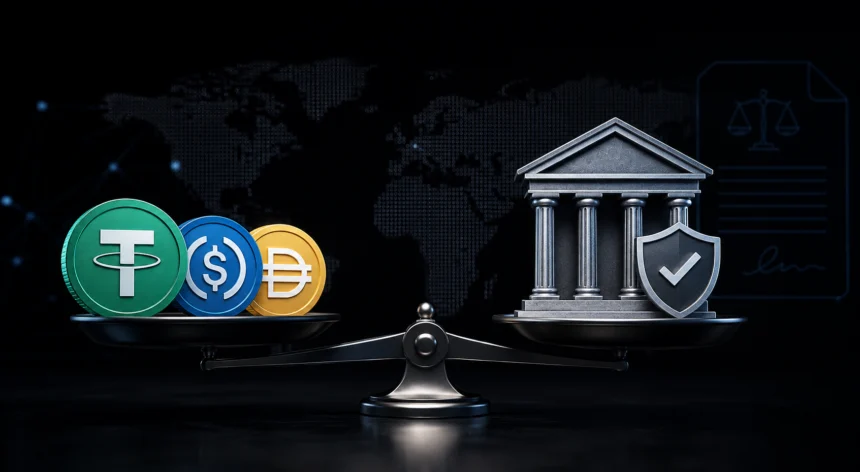
The impact of stablecoin regulation on the crypto market will depend on the specific regulatory approaches taken by governments and regulatory bodies. If regulation is overly restrictive, it could stifle innovation and limit the growth of the stablecoin market.
On the other hand, clear and consistent regulation could help to increase confidence and stability in the market, attracting more investors and users to the space. The focus keyword stablecoin regulation will be crucial in determining the future trajectory of the crypto market.
Challenges and Opportunities in Stablecoin Regulation
One of the key challenges in regulating stablecoins is ensuring that they are subject to appropriate oversight and supervision, while also allowing for innovation and growth. Regulatory bodies must balance the need to protect consumers and maintain financial stability with the need to allow for experimentation and development in the stablecoin space.
Despite these challenges, there are also opportunities for regulatory bodies to promote the growth and development of the stablecoin market. By providing clear and consistent regulatory frameworks, governments can help to increase confidence and stability in the market, attracting more investors and users to the space.
The Future of Stablecoin Regulation
The future of stablecoin regulation is uncertain, but it is clear that regulatory bodies will play a crucial role in shaping the trajectory of the stablecoin market. As the market continues to grow and evolve, regulatory bodies will need to adapt and respond to new challenges and opportunities.
One potential trigger for regulatory action could be the growth of decentralized finance (DeFi) protocols, which are increasingly using stablecoins as a key component of their ecosystems. Regulatory bodies may need to develop new frameworks and guidelines to address the unique risks and challenges posed by DeFi protocols.
The TCB View
TCB believes that the stablecoin regulation landscape will be bullish for the crypto market in the long term, as clear and consistent regulatory frameworks will help to increase confidence and stability. We see the current regulatory efforts as a necessary step towards promoting the growth and development of the stablecoin market, and we expect that the total stablecoin supply will continue to grow, reaching $500 billion by the end of 2025.
However, TCB also notes that there are potential risks associated with stablecoin regulation, particularly if regulatory bodies take an overly restrictive approach. Watch for the SEC’s upcoming guidance on stablecoin regulation, which could provide clarity on the regulatory framework for these digital assets. We are also watching for the growth of DeFi protocols, which could potentially trigger regulatory action and shape the future trajectory of the stablecoin market.