
Last updated: 1 April 2026
Key Takeaways
- Instant Reading: (RTRS) The AI “scans” PDF reports and pulls out the important numbers automatically.
- Trend Spotting: It highlights if you have a repeat problem, like too many trips or falls in one specific building.
- Live Updates: Instead of waiting months for a report, managers see claim costs as they change.
- Better Rates: By proving they have a handle on their risks, businesses can negotiate cheaper insurance premiums.
How New AI Turns Old Insurance Reports into Live Safety Tools
Real Time Risk Solutions (RTRS) has launched a new AI powered tool that transforms messy, old insurance documents into “live” digital intelligence to help businesses stop accidents before they happen.
- Why it matters: It stops the “paper trail” headache by using AI to instantly read and organize complicated insurance history reports.
- Who it affects: Business owners, safety managers, and insurance brokers who are tired of manual data entry and slow spreadsheets.
- What to watch: This technology moves insurance from a “once a-year” conversation to a daily tool for saving lives and money.
In this article, we will explain how this new AI Claims Module works in plain language. We’ll look at why the old way of tracking accidents is failing businesses today and how “live intelligence” helps companies lower their insurance bills while keeping their workers safer.
The Problem: The “Static” Paper Trap
For decades, businesses have managed their safety records using something called a Loss Run. Think of this as a “report card” from an insurance company that lists every accident, injury, or broken piece of equipment from the past few years.
The problem? These reports are usually “static.” They arrive as long, confusing PDFs or even physical stacks of paper. By the time a manager sits down to read them, the information is already old. It’s like trying to drive a car while only looking in the rearview mirror you can see where you’ve been, but you can’t see what’s coming.
The Solution: How the AI Claims Module Works
Real Time Risk Solutions (RTRS) changed the game by building an AI that acts like a digital assistant. Instead of a human spending hours typing data from a PDF into an Excel sheet, the AI does it in seconds.
1. From Paper to Dashboard
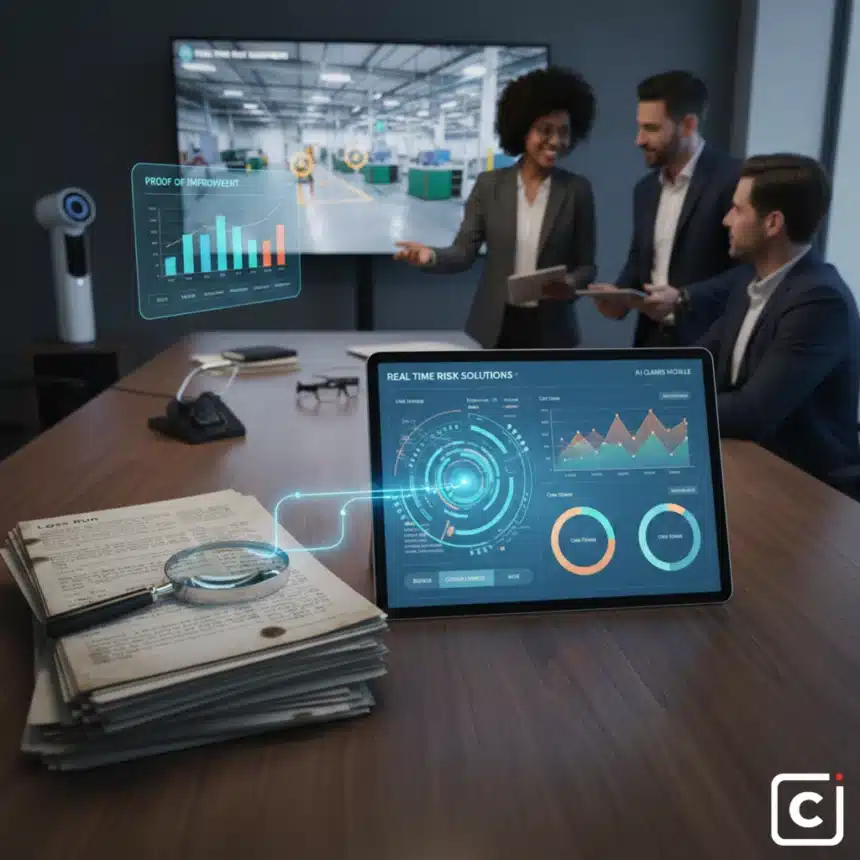
When a company gets a new insurance report, they simply upload it. The AI “reads” the text, understands the costs, and puts it into a clean, visual dashboard. You can see your total spending on claims instantly.
2. Finding the “Why” Behind the “What”
The system doesn’t just list accidents; it looks for patterns. If the AI notices that truck drivers are getting hurt more often on Tuesdays, it flags that trend. This allows a manager to ask why maybe there’s a specific route or a rush schedule causing the issue.
3. Comparing Your Progress
The tool allows businesses to compare this year’s safety performance against last year. Having this “proof of improvement” is a powerful tool when it’s time to renew an insurance policy. It shows the insurance company that the business is actively fixing its problems.
Comparing the Old Way vs. The AI Way
| Feature | The Old Manual Way | The New RTRS AI Way |
| Speed | Takes days or weeks to analyze | Done in seconds |
| Accuracy | High risk of typing errors | Extremely high digital accuracy |
| Visibility | Buried in email attachments | One “Live” central screen |
| Action | Reactive (fixing after the fact) | Proactive (stopping the next one) |
Why This Matters for the Average Business
Every business wants to grow, but high insurance costs act like an “anchor” that holds them back. When a company has a lot of claims, their insurance rates go up.
By using “Live Claims Intelligence,” a business owner can see exactly where their money is going. If they see a claim is staying “open” for too long and costing more every week, they can step in. They can ensure the injured worker is getting the right care or fix a broken machine before it hurts someone else.
This isn’t just about software; it’s about taking control of your own data. Instead of letting the insurance company tell you how much you owe, you can show the insurance company how much you’ve improved.
Looking Ahead: The Future of Safety
The launch of this AI module is a big step toward a future where “safety” isn’t a boring stack of paperwork. In 2026, we are seeing a shift where technology helps us predict the future. By turning old, static data into live intelligence, RTRS is helping companies create a culture where everyone gets home safe at the end of the day.
FAQ:
What exactly is a “Loss Run”?
It is a history of all the insurance claims your business has filed. It’s the main document insurance companies use to decide how much to charge you.
Is this hard to set up?
No. The goal of the RTRS system is to make it easy. You don’t need to be a tech expert; you just need to be able to upload a file.
Will the AI make mistakes?
While no system is perfect, AI is much better at reading and categorizing numbers than a human who is tired after a long day of work. It serves as a second pair of eyes.
Can small businesses use this?
Yes. In fact, small businesses often benefit the most because they don’t have a giant “Safety Department” to do this work manually.
The Daily Brief by TCB
Crypto, AI & finance intelligence in 5 minutes. Every weekday morning. Free.