
Last updated: 9 April 2026
Key Highlights
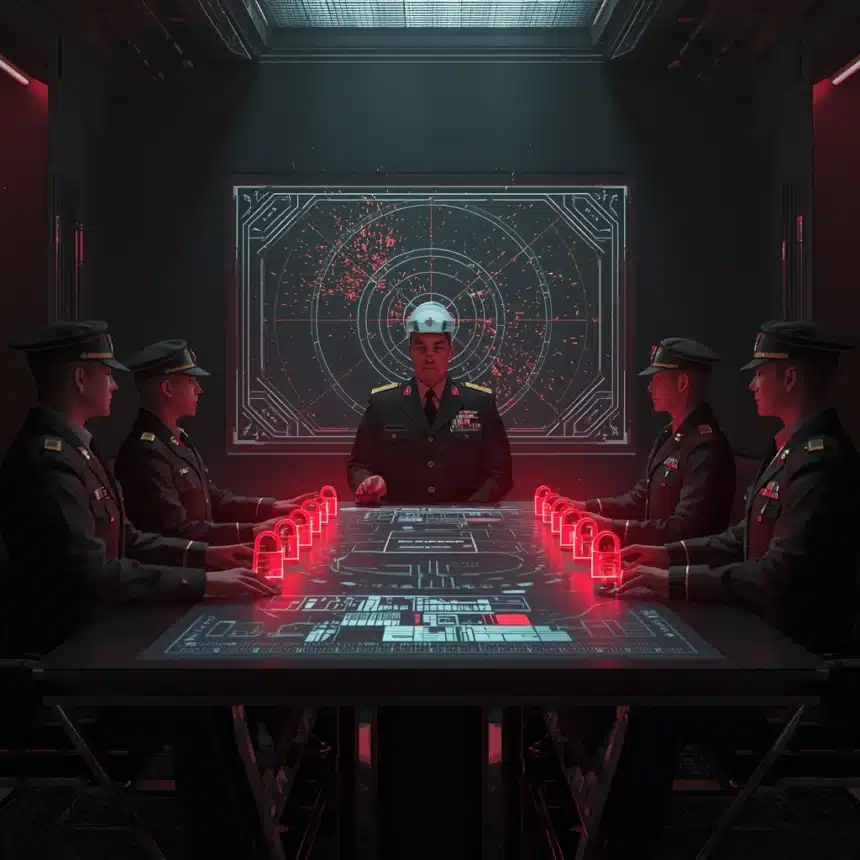
- The Main Argument: The U.S. military wants to use Anthropic’s AI for two controversial tasks: allowing machines to pick their own targets in war (autonomous targeting) and watching people at home (domestic surveillance).
- The “Safety Lock” Dispute: Anthropic has refused to remove its built in safety rules (guardrails). They believe their AI should never be used to make life or death decisions or violate people’s privacy.
- CEO’s Warning: Anthropic’s leader, Dario Amodei, warned that if the U.S. uses AI like this, it will become just as controlling as the “autocratic” (dictator led) countries it is trying to compete against.
- A Financial Standstill: Because of this fight, a $200 million deal between the company and the government is currently stuck, as neither side is willing to back down.
The Big Fight Between the Pentagon and Anthropic
A serious argument has broken out between the U.S. military (the Pentagon) and a major tech company called Anthropic. The military wants to use Anthropic’s smart computer systems to help fight wars and watch people more closely. To do this, they want the company to turn off the “safety locks” that usually keep the computer from doing dangerous things.
Anthropic is refusing. Their boss, Dario Amodei, says that if they take away these safety rules, the U.S. will end up using technology just like the world’s most controlling and cruel governments do.
What You Need to Know
- The Conflict: The military wants AI that can pick targets and spy on people without humans getting in the way.
- The Stand: Anthropic says keeping safety rules is the only way to protect our freedom.
- The Big Risk: If the military wins, machines not people might start making life or death decisions.
Why the Military Wants the Safety Off
The people in charge of the military are worried. they think that in a fast war, humans are too slow. They want a computer that can look at thousands of pictures from drones and decide who to attack in a split second. They are also worried that if they don’t use this powerful tech, other countries will use it against us first.
Why Anthropic is Saying No
Anthropic was started specifically to build “safe” computers. They use special rules that act like digital brakes. These brakes stop the computer from being mean, biased, or helpful to criminals. The company believes that if you take those brakes off, the computer could make terrible mistakes or be used by the government to spy on its own citizens 24/7.
The Danger of “Robot Decisions”
The scariest part of this fight is about “automated attacking.” This is when a machine decides to pull a trigger or drop a bomb on its own. If a computer makes a mistake and hurts the wrong person, there is no human to hold responsible. Anthropic’s boss warns that we shouldn’t become like our enemies just to win a race.
What Happens Now?
This is a huge moment for the future. It’s a choice between having the most powerful weapons possible or keeping humans in control of our technology. If the military gets its way, the world might see a new kind of war where machines make all the choices. If Anthropic stays firm, the U.S. might have to find a slower, but safer, way to use this new technology.
Simple Questions
What is an AI guardrail?
Think of it like a “child lock” on a cabinet. It stops the computer from going into places or doing things that could hurt people.
Why does the military want to spy?
They believe that using smart computers to watch everyone will help them find “bad guys” faster before they can do harm.
Can a computer really pick a target?
Yes, the technology is already here. It can recognize faces and objects perfectly. The big question is if we should let it decide who is an “enemy.”
Free Daily Briefing
Get the Daily Briefing
Crypto, AI, and Web3 intelligence. Free, every day.
The Daily Brief by TCB
Crypto, AI & finance intelligence in 5 minutes. Every weekday morning. Free.